How to Cross-Reference Commercial Kitchen Parts Safely and Accurately
Aug 3rd 2026
Reading Time: 4 Minutes
At-A-Glance Summary
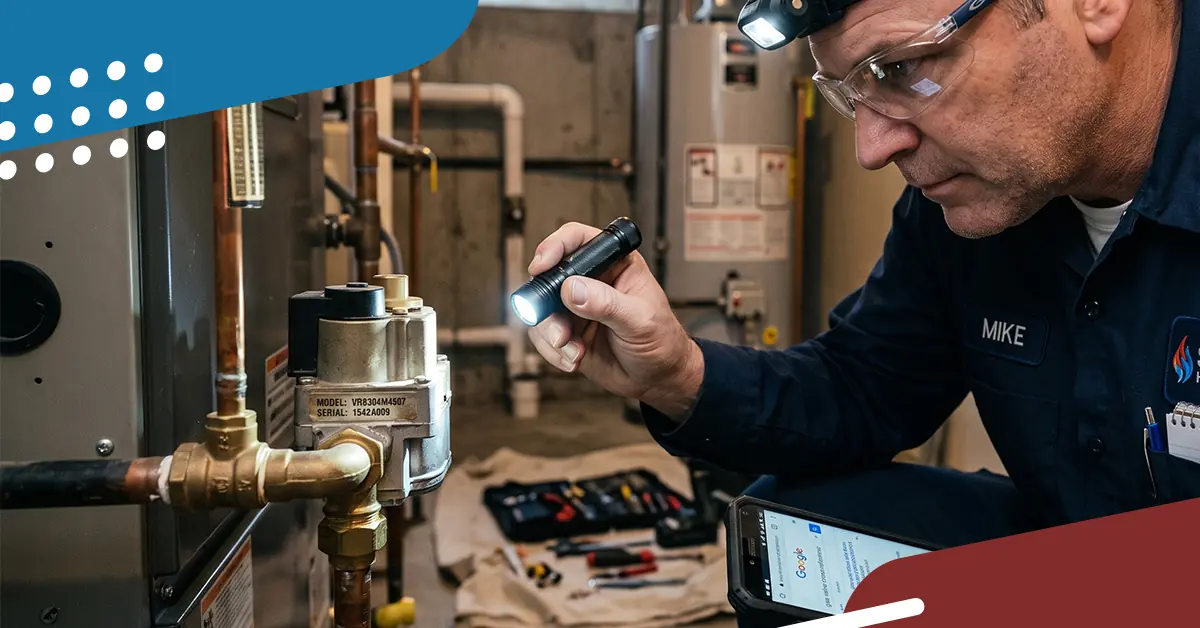
When commercial kitchen equipment breaks down, sourcing delays can turn a minor repair into extended downtime. Accurate parts cross-referencing can help procurement teams identify additional replacement options when an OEM part is unavailable or delayed. The process begins by recording the equipment model and serial number, locating stamped component markings, comparing critical electrical and mechanical specifications, verifying certifications, and consulting trusted manufacturer or distributor cross-reference data. Any potential replacement must still be verified for the specific equipment application, required safety certifications, and manufacturer instructions before installation.
Why Speed and Precision Matter in Commercial Sourcing
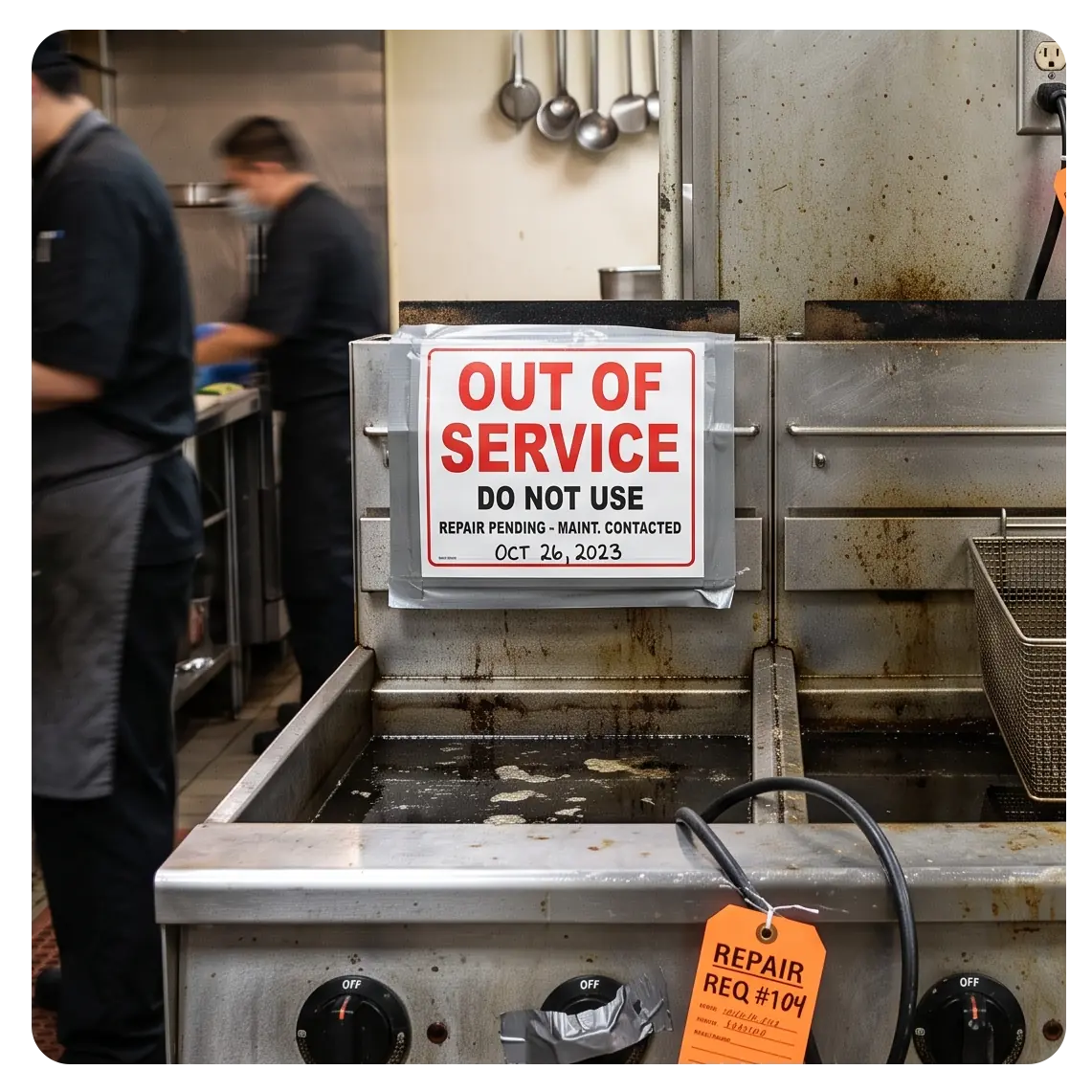
In the commercial foodservice industry, an out-of-service fryer, ice machine, or convection oven can disrupt production and affect restaurant revenue.
A conventional sourcing path begins with the equipment model and serial number, followed by identifying the OEM part number and checking availability through an authorized distribution channel. When that part is backordered or subject to an extended lead time, however, relying on a single part number can create an operational bottleneck. Cross-referencing allows purchasing professionals to look beyond the branded box and identify candidate replacement components based on detailed technical parameters rather than just a logo.
The 5-Step Cross-Referencing Protocol
To cross-reference commercial kitchen components accurately while reducing compatibility and safety risks, procurement specialists should follow this structured verification process:
1. Record Equipment Manufacturer, Model, and Serial Number
Before looking at an individual component, document the overall equipment data plate. Manufacturers frequently make mid-run engineering changes during a model's production life, meaning two machines with the same model number might require different internal components depending on their serial number sequence.
2. Capture OEM Numbers and Stamped Component Markings
Photograph the original component, wiring connections, mounting orientation, and equipment data plate before removal. Component brands such as Robertshaw, White-Rodgers, Copeland, Danfoss, and E.G.O. may place internal part, series, or model numbers on thermostats, gas valves, switches, motors, and other components. These markings can provide valuable candidate identifiers for cross-reference lookups. However, some markings represent date, batch, or manufacturing codes rather than orderable part numbers, so each identifier should be confirmed through published documentation.
3. Compare All Application-Specific Specifications
Verify that the prospective replacement matches every specification required for the documented application. A higher rating does not automatically make a component compatible.
- Electrical Controls (Relays, Contactors, Switches): Verify voltage, frequency, resistive and inductive load ratings, horsepower/locked-rotor ratings, contact configuration (e.g., SPST vs. DPDT), duty cycle, terminal type, and mounting footprint.
- Motors & Blowers: Match voltage, phase, frequency, horsepower, operating RPM, full-load amperage (FLA), rotation direction (including the viewing orientation used to define CW or CCW), shaft dimensions, capacitor requirements, mounting configuration, enclosure type, insulation class, duty, service factor, and thermal protection.
- Thermostats & Sensors: Verify temperature range, switching differential, cut-in/cut-out values, electrical load rating, sensor type (thermistor, RTD, thermocouple), resistance curve, capillary/bulb dimensions, and mounting requirements.
- Gas Valves: Confirm fuel type (natural gas or LP), ignition-system compatibility, inlet and outlet pipe sizes, inlet and regulated outlet pressures, BTU capacity, electrical rating, mounting orientation, venting requirements, and required safety approvals.
⚠️ Important Safety Boundary
Gas valves, ignition controls, high-limit safety devices, and electrical protection components should be selected and installed only by qualified service professionals following the equipment and component manufacturers' published documentation.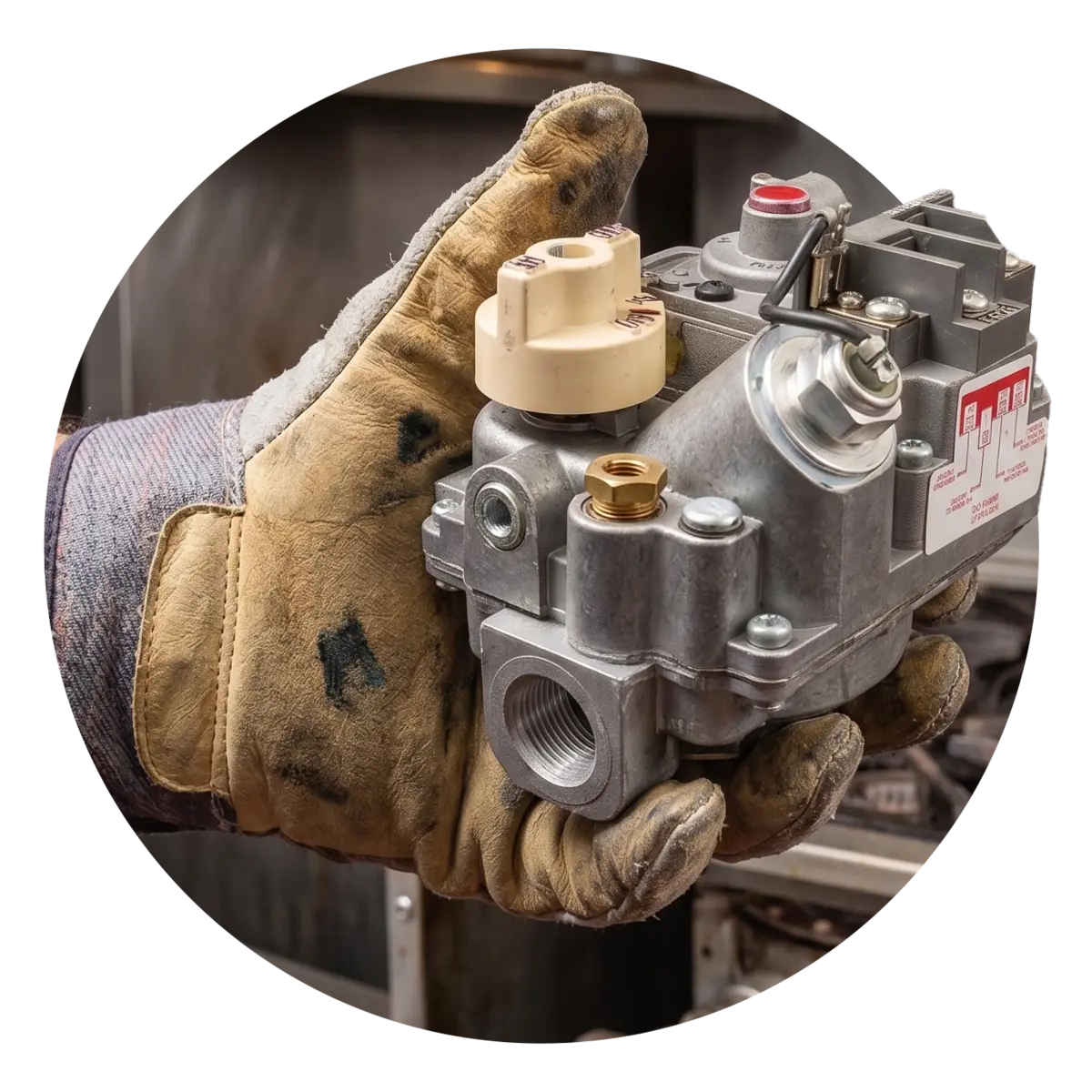
4. Verify Certifications and Application Requirements
Confirm that the replacement carries the certifications required for its intended use and that those certifications cover the specific application and operating environment. Depending on the component, this may include UL, CSA, or applicable NSF certification. But a certification mark alone does not establish equipment compatibility. Buyers must also review the component’s published ratings, conditions of use, and any requirements identified by the equipment manufacturer or local authority having jurisdiction.
5. Confirm Cross-References with Authoritative Documentation
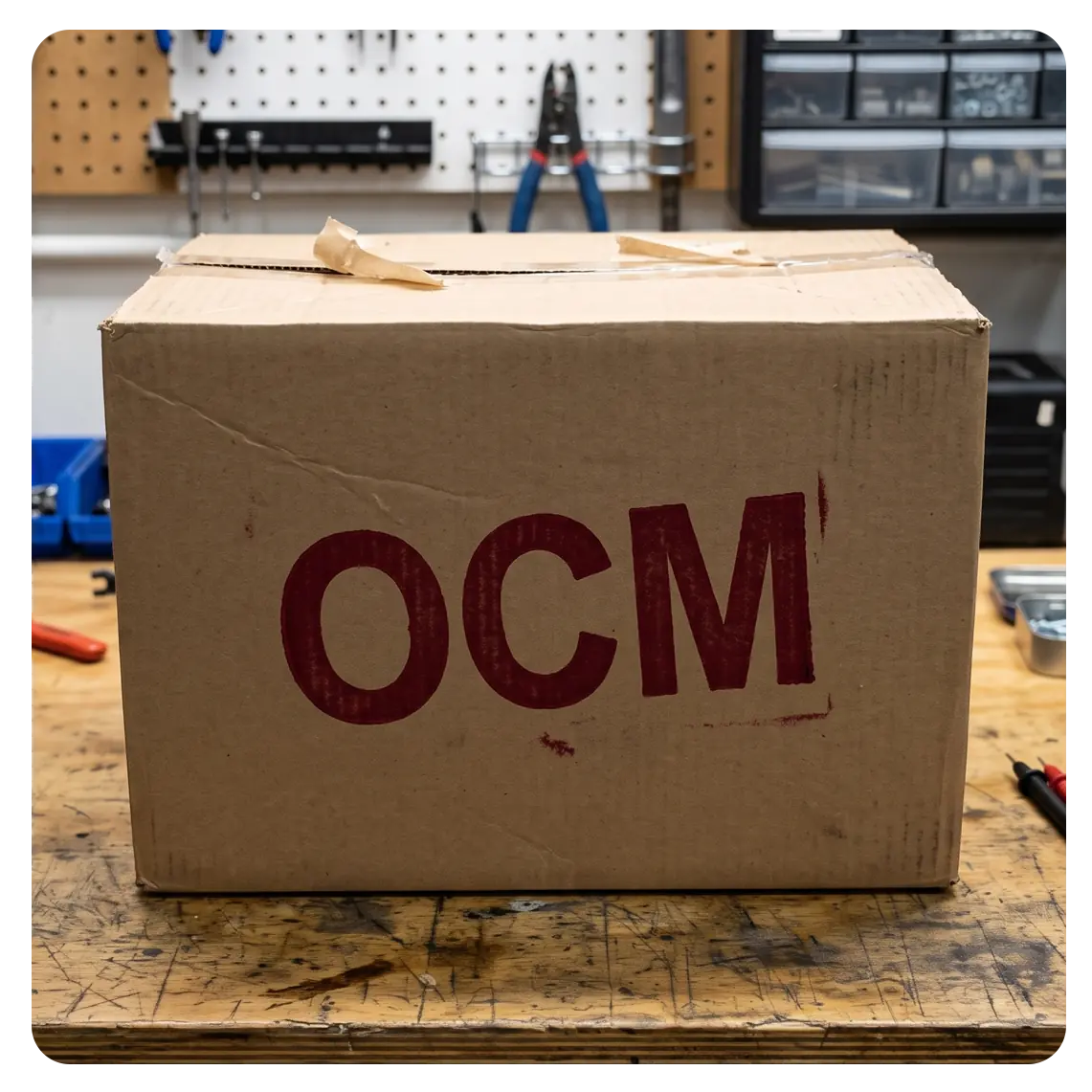
Search trusted manufacturer and distributor cross-reference tools for compatible alternatives. Many Original Component Manufacturer (OCM) parts come from the specialized component factories that supply the commercial equipment industry, providing an additional sourcing path beyond branded OEM packaging. When a verified OCM option is available, buyers can reduce acquisition costs by approximately 15% on average while potentially avoiding an OEM backorder.
Cross-Referencing Checks for Commonly Used Categories
Note: The following checks are examples, not a complete compatibility determination. Required specifications vary by component and application.
| Component Category | Primary Stamped Data to Locate | Key Specification Checks |
|---|---|---|
| Heavy-Duty Contactors | Coil voltage, model/series stamp, amp rating | Line/coil voltage, load type, pole count, FLA/LRA ratings, ambient temperature rating |
| Capillary Thermostats | Temperature range stamp, factory part code | Capillary length, bulb diameter, electrical load rating, switching differential |
| Electric Fan Motors | Motor nameplate data (HP, RPM, FLA, Frame) | Voltage/phase/frequency, rotation, shaft specs, mounting, service factor, enclosure type |
| Snap-Action Switches | Amperage rating (15A/20A), terminal codes | Contact arrangement (NO/NC), terminal size (1/4 in. vs. 3/16 in.), temperature rating |
Frequently Asked Questions (FAQs)
What is the difference between an OEM part number and an OCM part number?
An OEM (Original Equipment Manufacturer) part number is the identifier assigned or published by the commercial equipment manufacturer (e.g., Vulcan, Hobart, or Manitowoc) for a replacement part. An OCM (Original Component Manufacturer) part number identifies a part sold by a specialized component manufacturer, such as Robertshaw, Danfoss, or E.G.O. In some applications, the OCM component is the exact part supplied to the equipment manufacturer; in others, it is a verified compatible alternative.
How can I search for OCM parts online?
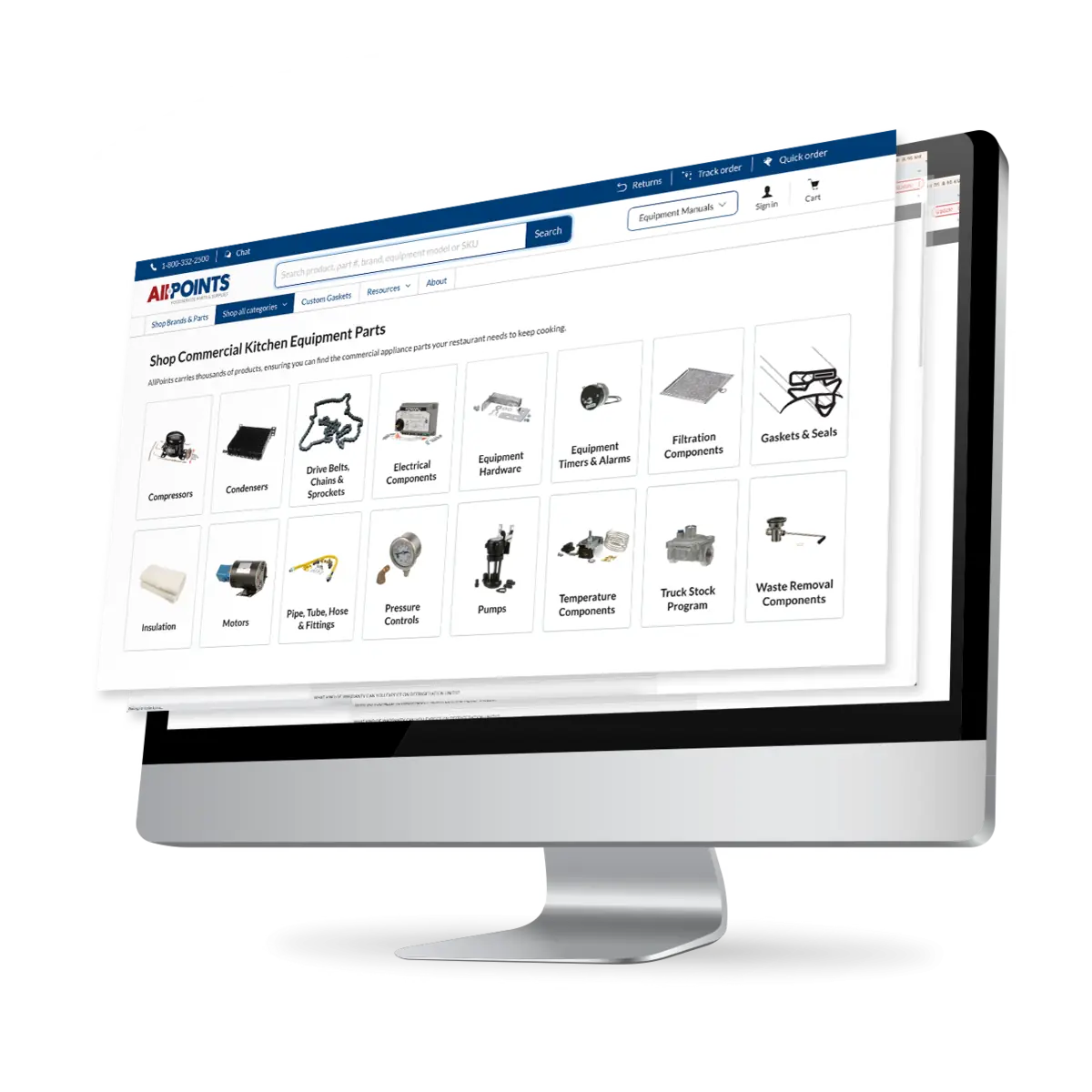
The AllPoints digital catalog allows buyers to search the same OEM part numbers and component identifiers for potential OCM alternatives. Users can explore our digital catalog features and browse electrical components to locate candidate replacement parts. Product specifications and current availability should always be confirmed before ordering.
Accurate Cross-Referencing Starts with Complete Data
Effective cross-referencing is not about choosing a part that looks close enough. It is about using complete equipment data, component identifiers, published specifications, certification requirements, and authoritative cross-reference information to identify the correct replacement.
AllPoints helps service teams and parts buyers evaluate OEM and OCM options across commonly used commercial kitchen components. Search the AllPoints digital catalog or contact our technical support team for help identifying potential replacements for your application.