Why Smart Service Techs are Switching to OCM Parts
Apr 18th 2022
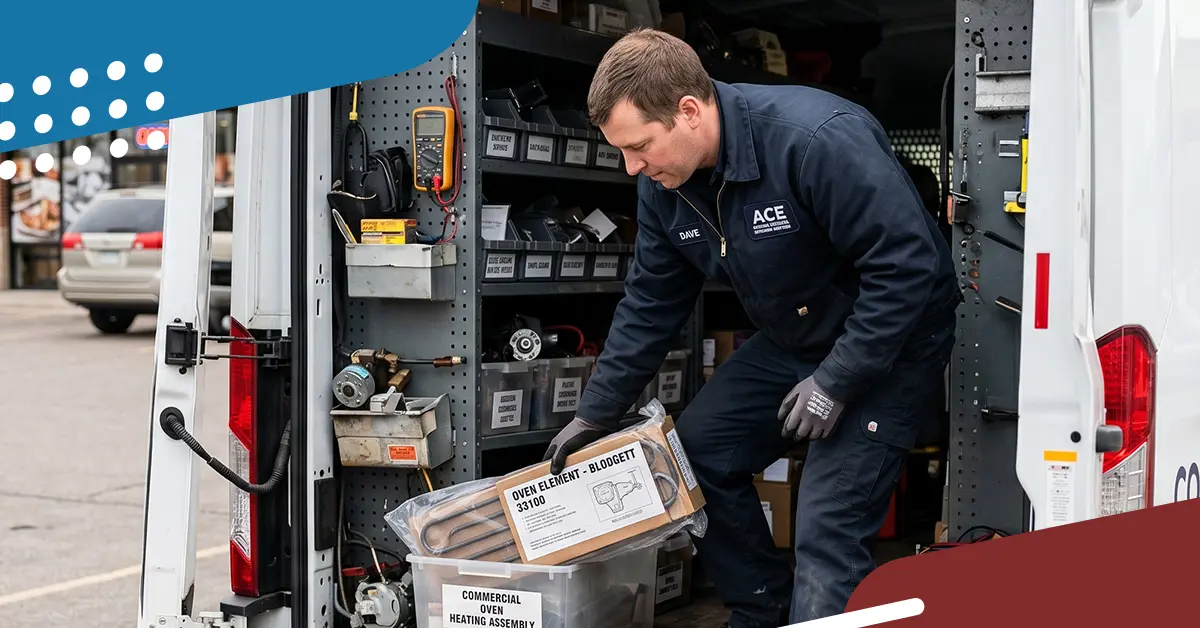
For decades, the commercial foodservice industry operated under a rigid assumption: if you needed a replacement part, you had to go through the Original Equipment Manufacturer (OEM). But times have changed. Tight margins, unpredictable supply chains, and skyrocketing overhead have forced service technicians and parts dealers to look for smarter alternatives.
Enter Original Component Manufacturer (OCM) parts.
Today’s leading service agents are moving away from OEM exclusivity and embracing OCM parts for three simple reasons: uncompromising quality, superior availability, and smarter economics. Here is a look at how shifting your parts strategy can solve daily operational headaches and protect your bottom line.
1. Quality That Matches (or Exceeds) the Factory Standard
Historically, there was a misconception that choosing an alternative part meant sacrificing quality. But technicians who have made the switch are finding that OCM parts are identical in performance. In some cases, they are even more durable than their OEM counterparts.
The reality of modern manufacturing is that OEMs rarely build their own components. Instead, they source them from global specialists. OCM parts are often produced in the very same facilities, using the exact same materials, and engineering standards as the factory originals.
The Operational Edge: To ensure total peace of mind on the job site, AllPoints backs our OCM parts with a rigorous testing process and an industry-leading 180-day warranty. That's double the standard 90-day warranty offered by most OEMs.
2. Breaking the Supply Chain Bottleneck
In food service repair, a delayed part means an angry kitchen manager and a dinged first-time fix rate. Relying solely on OEM distribution networks often means dealing with backorders, limited regional stock, and rigid brand restrictions.
OCM parts solve this availability crisis in two ways:
- Massive Stocking Levels: Because OCM providers focus strictly on the components rather than selling heavy machinery, inventory levels are kept high and ready to ship immediately.
- Cross-Brand Versatility: Many OCM parts are designed to be versatile. Instead of stocking five different OEM-branded magnetrons or thermostats for five different equipment lines, a technician can keep a single, high-quality OCM component on hand that services multiple major brands.
Fewer SKUs on the truck means better organization, faster diagnostic-to-repair times, and a stronger reputation for your service agency.
3. Real Relief for Your Bottom Line
It is no secret that OEM parts carry a premium price tag, largely to cover the massive overhead, marketing, and corporate layers of the equipment manufacturer. When you buy OCM, you stop paying for the logo on the box.
On average, switching to OCM parts yields a 15% cost savings compared to OEM pricing. When multiplied across an entire service fleet or a busy month of repair calls, those numbers add up significantly.
Average OCM Savings: ~15% less than OEM per part
These savings give service agencies the flexibility to either improve their own margins or offer more competitive repair estimates to their restaurant clients. Either way, it's a massive win-win in a cost-conscious market.
Take Control of Your Inventory
Choosing OCM helps parts purchasers break free from restrictive supply chains and make a data-driven choice for your business. With equal quality, better availability, and smarter pricing, the real question isn't why you should switch to OCM — it's why you haven't already?
Ready to optimize your service truck?
Explore the full inventory of high-quality, rigorously tested OCM parts available at AllPoints today.