Troubleshooting Soft-Serve Consistency: Viscosity & Overrun Issues
Jul 8th 2026
Reading Time: 4 Minutes

Summary
Inconsistent soft-serve texture is driven by a failure in either viscosity control (product thickness) or overrun regulation (air-to-mix ratio). Viscosity is determined by the control board tracking the beater motor’s amperage draw, while overrun relies on mechanical air pumps or gravity-fed carb tubes. Diagnosing draw-to-draw issues requires inspecting high-wear components like scraper blades, drive-shaft seals, and air orifices. Replacing degraded wear items with precision-welded Original Component Manufacturer (OCM) parts restores texturized product flow and prevents motor overload shutdowns.
Understanding Soft-Serve Viscosity vs. Overrun
To fix soft-serve consistency problems, a technician must first isolate whether the issue is chemical, thermal, or purely mechanical. Soft-serve machines achieve their signature texture by simultaneously freezing a liquid base and whipping air into it.
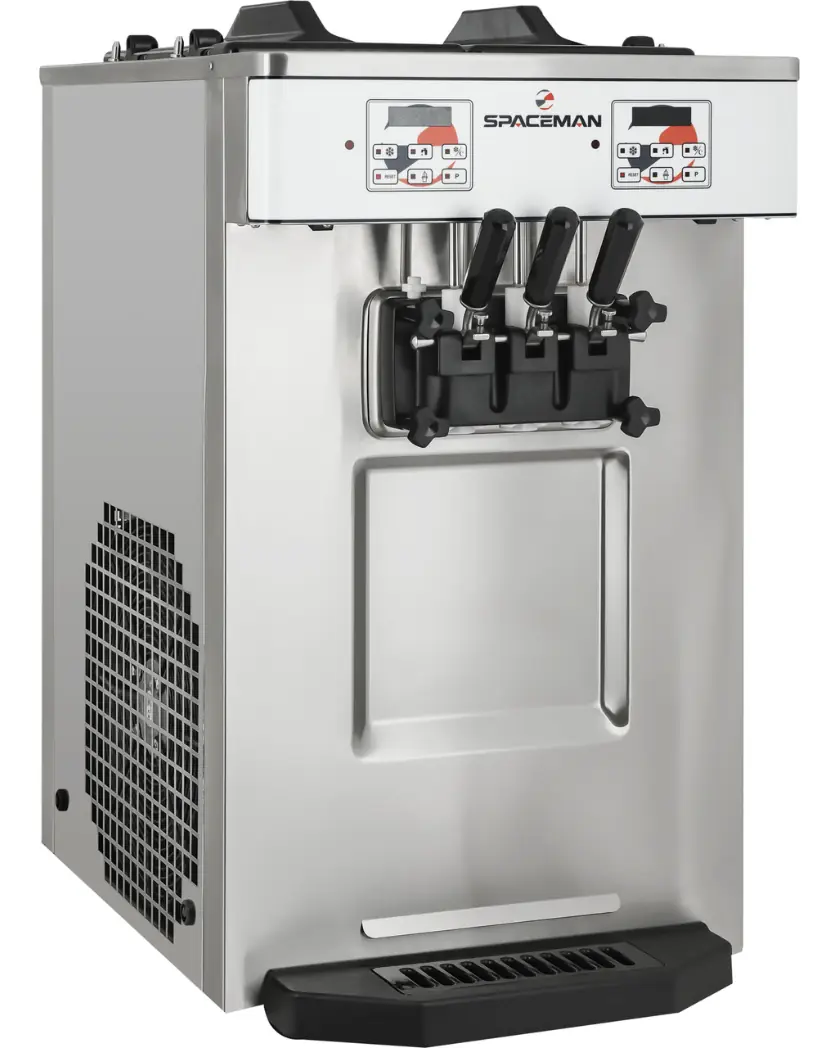
- Viscosity (Thickness): This refers to the physical firmness of the ice cream. Most modern commercial soft-serve machines (like Taylor or Carpigiani) do not use a temperature probe to determine when the product is ready. Instead, they track the amperage draw of the beater motor. As the liquid mix freezes into a solid, it creates mechanical resistance against the rotating beater. The control board monitors this amp spike, cutting power to the compressor once the pre-set resistance threshold is reached.
- Overrun (Air Ratio): This is the percentage of air whipped into the liquid mix. For example, if 1 gallon of liquid mix yields 1.5 gallons of finished soft-serve, the machine has achieved a 50% overrun. In gravity-fed machines, a small carb tube (or air orifice) meters air into the freezing cylinder. In high-volume pump models, an active air/mix pump injects precise ratios of air under pressure.
The 3 Most Common Causes of Poor Consistency
When a kitchen manager reports that product is coming out either too runny, icy, or dense, target these three high-wear areas:
1. Dull or Nicked Scraper Blades
Scraper blades have a sharp, precise edge designed to continuously shave a micro-thin layer of frozen mix off the freezing cylinder walls. If the blades are dull or nicked, they leave a layer of hard-frozen ice behind. This ice layer acts as an insulator, preventing the remaining liquid mix in the center of the barrel from freezing properly.
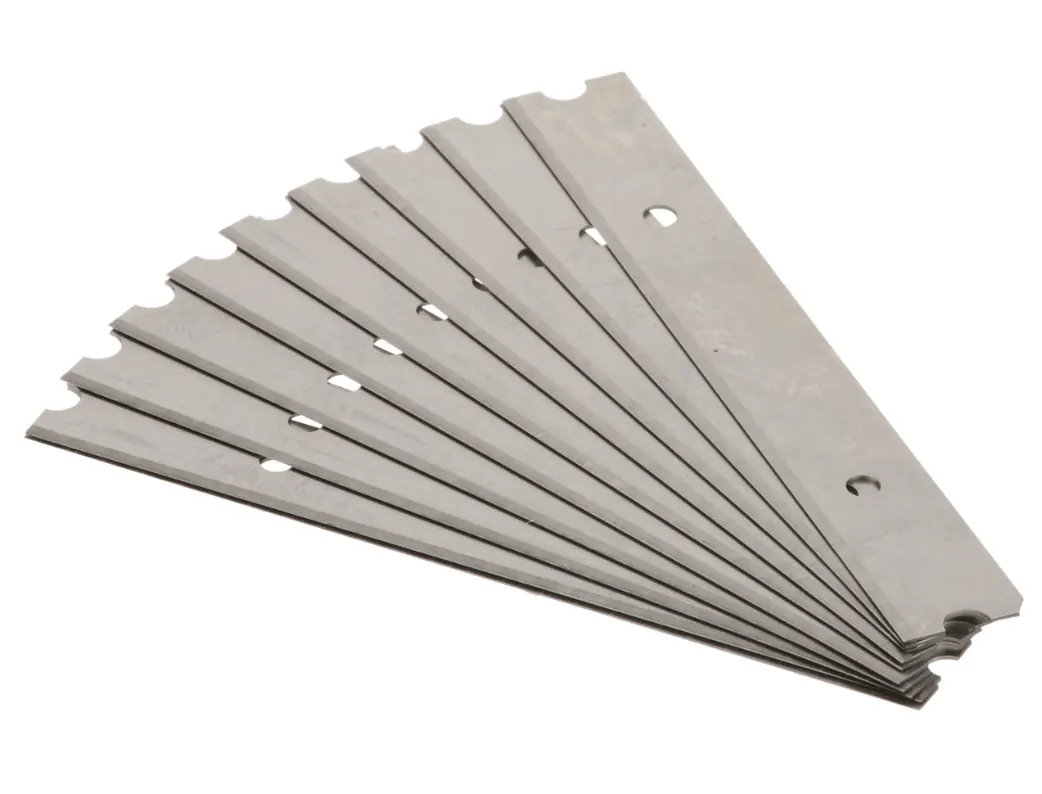
The result: The beater motor strains against the ice layer and draws high amps, causing the control board to prematurely shut down the compressor before the core product is actually thick enough to serve.
2. Clogged Carb Tubes or Worn Pump O-Rings
If an ice cream machine outputs dense, wet, heavy, or dark-looking soft-serve, it is suffering from a low-overrun condition. In gravity units, this is almost always caused by a cook line operator putting the carb tube in upside down or failing to clean the tiny air venturi hole. In pump-fed units, micro-tears in the rubber pump O-rings allow pressurized air to escape, starving the freezing cylinder of air and resulting in low yields and high product costs.
3. Starved Cylinder (Low Mix Inputs)
If the mix level in the hopper drops too low, or if the mix is too thick and viscous to feed down into the barrel fast enough, the freezing cylinder becomes starved. Without enough liquid product inside to absorb the intense cold from the refrigeration lines, the cylinder will freeze completely solid, snapping drive pins or tripping the beater motor's thermal overload switch.
Field Diagnostic Matrix for Technicians
Use this checklist on your next cold-side service call to quickly match physical symptoms to their mechanical root cause:
| Product Symptom | Probable Technical Cause | Corrective Technical Action |
|---|---|---|
| Runny / Droopy Soft-Serve | Dull scraper blades or a dirty condenser coil restricting cooling capacity. | Inspect blades for scraping gaps. Wash out the condenser fins and test the beater motor's amp draw. |
| Dense, Wet, and Heavy Texture | Blocked air orifice or cracked air pump seals (low overrun). | Clear the carb tube venturi with a wire brush. Replace pump O-rings and lubricate them with food-grade lube. |
| Fluffy, Large Air Pockets / Spluttering | Air leaks in the suction line or excessively low mix levels in the hopper. | Refill the hopper immediately. Check the mix pump assembly for missing or unlubricated faceplate gaskets. |
| Grainy / Icy Product | Slow freezing cycles or operators adding warm, un-chilled mix to the hopper. | Verify the hopper pre-chill refrigeration circuit is maintaining 35°F to 40°F. Swap out worn-down blades. |
Frequently Asked Questions (FAQs)
How often should soft-serve scraper blades be replaced?
Commercial scraper blades should be replaced every 90 days (quarterly) in high-volume environments. Plastic or resin blades wear down quickly from constant friction against the stainless steel barrel. Waiting longer than six months to replace blades increases the risk of scoring the cylinder walls and strains the expensive drive motor. Technicians should inspect blade sharpness during every monthly preventative maintenance check.
Why is food-grade lubrication so critical for overrun consistency?
If a technician forgets to apply food-grade lubricant to the rear drive-shaft seal or the front draw-valve O-rings during reassembly, air and liquid will bleed past the seals. This pressure loss destabilizes the overrun ratio. Never use petroleum-based lubricants, as they break down rubber seals rapidly. Always use a heavy-duty, NSF-approved food-grade equipment lubricant to seal dynamic gaps.
Can I use OCM wear items instead of branded factory parts?
Yes. Utilizing Original Component Manufacturer (OCM) parts is highly efficient and can save you considerably. Items like scraper blades and faceplate gaskets are manufactured in the exact same specialized facilities to identical dimensional tolerances as OEM equivalents. Shifting your regular truck stock to OCM soft-serve wear items lowers parts procurement costs by an average of 15% without sacrificing product texture or seal integrity.