Troubleshooting Commercial Blender Motors and Drive Sockets
Apr 15th 2026
Reading Time: 3 Minutes

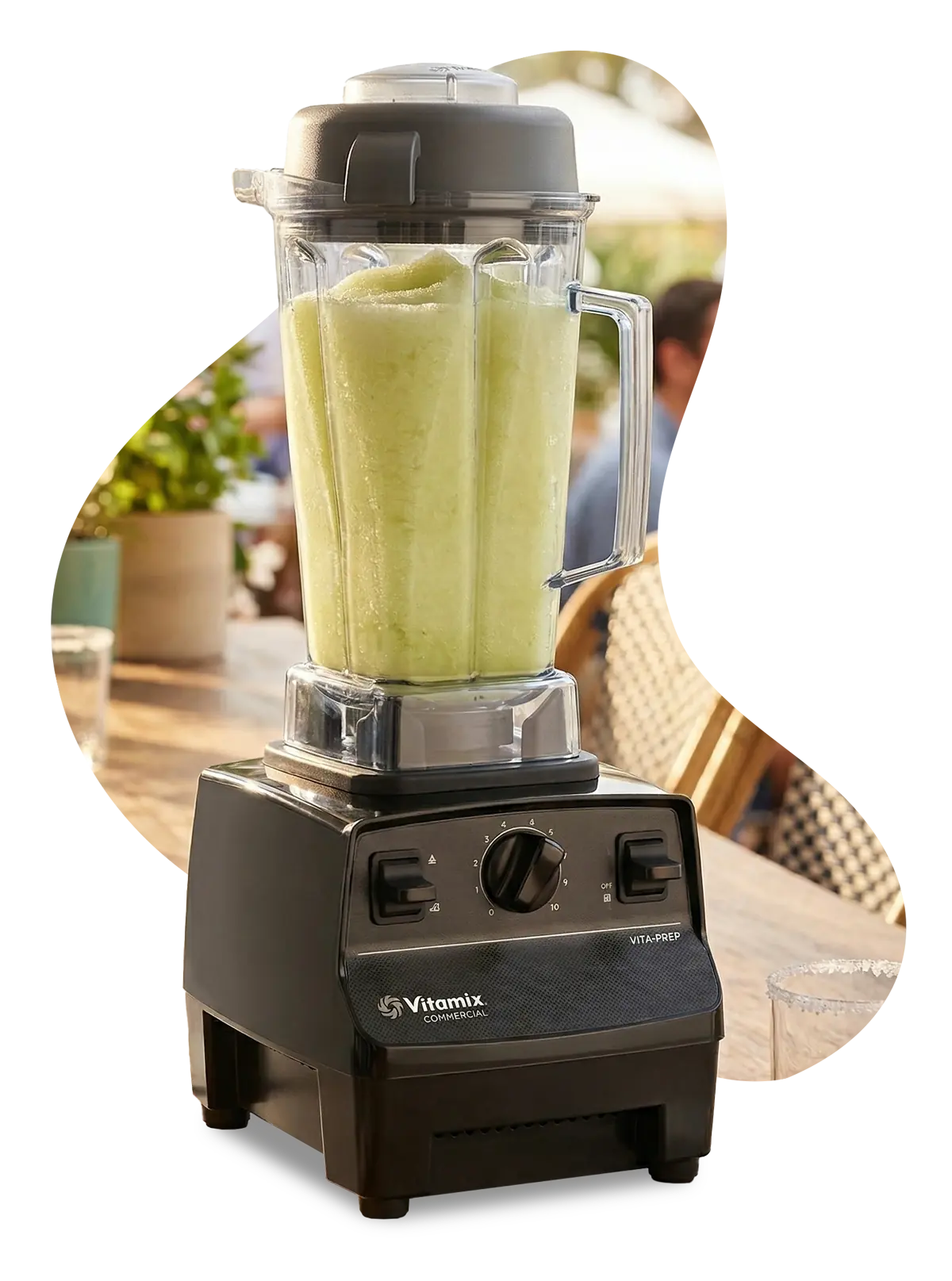
Patio season is right around the corner in 2026. That means margaritas, smoothies, and frozen coffees are about to push commercial blenders to their limits.
In a high-volume bar or coffee shop, a dead blender is a massive bottleneck. When the staff complains that the machine is "screaming," "smoking," or "just not spinning the ice," you need to diagnose the root cause fast. Often, the entire base doesn't need to be replaced — you just need to address the drive socket or the motor brushes.
Here are the three quickest diagnostic checks for commercial blenders (like Vitamix, Hamilton Beach, or Waring) to get the drinks pouring again.
1. Check the Drive Socket
The drive socket (the plastic or rubber mushroom-shaped piece sitting on top of the motor base) is designed to be the "sacrificial lamb" of the blender.
- The Cause: When bartenders are in the weeds, they often pull the pitcher off the base _before the motor has completely stopped spinning. This friction strips the "teeth" out of the drive socket.
- The Diagnosis: If the motor whines and spins freely, but the blades in the pitcher barely move, the socket is stripped.
- The Fix: Remove the rubber centering pad. Use an Allen wrench or a flathead screwdriver (depending on the brand) to pop the old socket off the motor shaft.
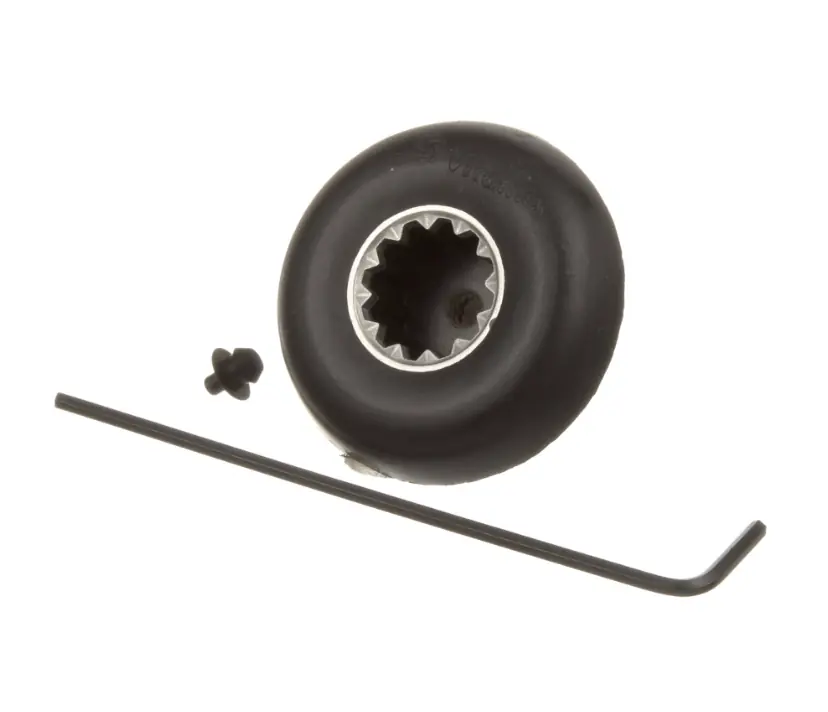
_Pro-Tip: Always inspect the metal motor shaft for burrs or damage before installing the new socket. If the shaft is damaged, it will destroy the new socket immediately.
2. Check the Motor
If the base is completely unresponsive or smells like an electrical fire, check these two items before condemning the whole unit.
- The Thermal Overload: Commercial blenders have internal breakers designed to trip if the motor gets too hot from blending overly thick mixtures. Before tearing the unit apart, flip it over and push the reset button on the bottom.
- Carbon Brushes: If the blender runs intermittently, sparks excessively inside the housing, or smells like burning ozone, the carbon motor brushes are likely worn down to the wire. Replacing the carbon brushes is a fast, cheap repair that can add years of life to an expensive blender motor.
3. The Pitcher Assembly
Before you hand the repaired blender back to the bartender, test the pitcher.
- The Test: Spin the blade assembly at the bottom of the pitcher by hand.
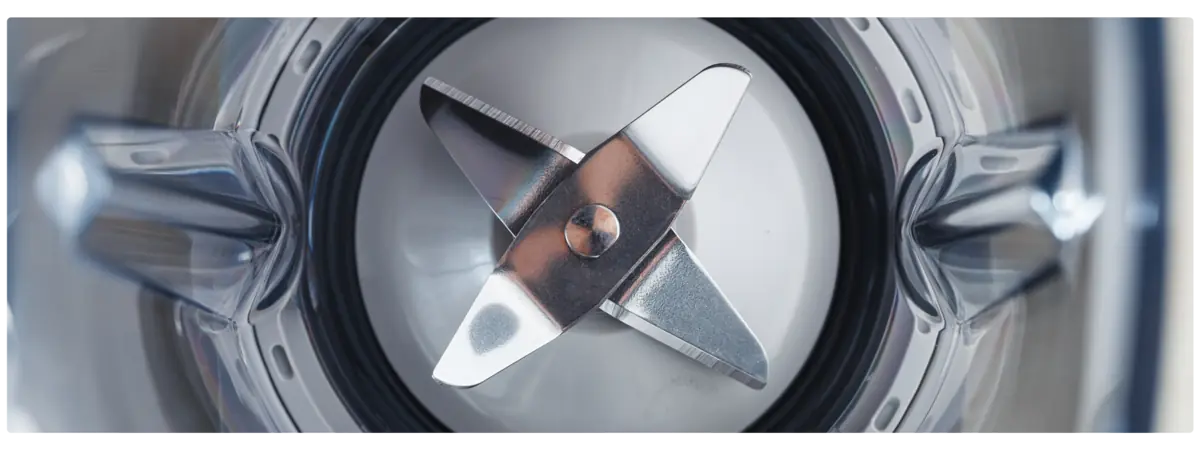
- The Diagnosis: It should spin with smooth, even resistance. If it feels gritty, wobbly, or completely seized, the bearings inside the blade assembly are shot (usually from being run through a high-temp dishwasher).
- WARNING: A seized pitcher blade will strip your brand-new drive socket on the very first blend. Always replace the blade assembly if the bearings are failing.
Stop Overpaying for Consumables
Drive sockets and blade assemblies are high-wear consumables. Your service company will go through dozens of them this summer. Don't pay a premium for the equipment manufacturer's branded box.
AllPoints OCM (Original Component Manufacturer) drive sockets, blade assemblies, and motor brushes are made to the exact same factory specifications as the originals. Because OCM parts don't come with the OEM markup, they are sold for an average of 15% less than OEM parts.
Stock the van before the summer rush.
Need to cross-reference a Vitamix socket on the fly? Pull up the mobile-optimized version of AllPointsFPS.com on your phone, find your exact OCM equivalent, and keep the drinks flowing.