Preventative Maintenance: The Prep Table Gasket Audit: A 10-Minute Preventative Margin Saver
Jun 19th 2026
Reading Time: 4 Minutes
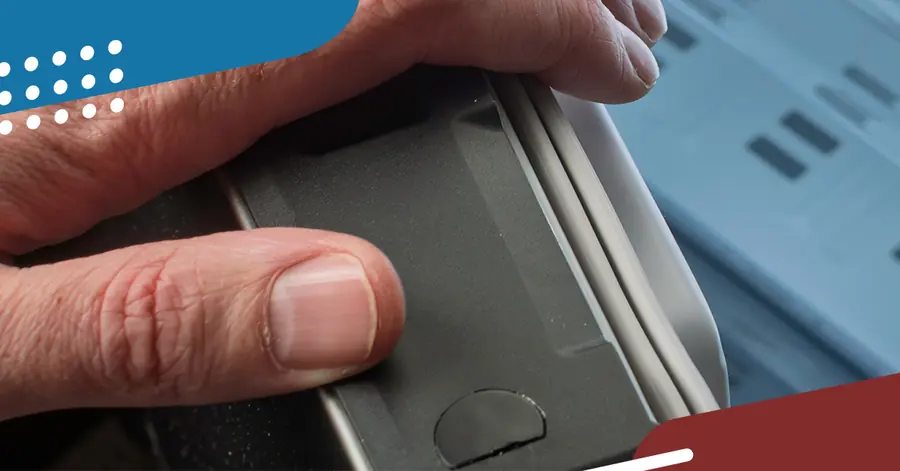
Failing refrigeration gaskets leak cold air, causing compressor failure, ice buildup, and health code violations. A standard 10-minute audit using visual, mechanical, and physical checks identifies failing seals. Replacing worn gaskets with equivalent Original Component Manufacturer (OCM) profiles maintains factory standards while lowering operational costs by 15% on average compared to branded alternatives.
Why Do Commercial Refrigeration Gaskets Fail?
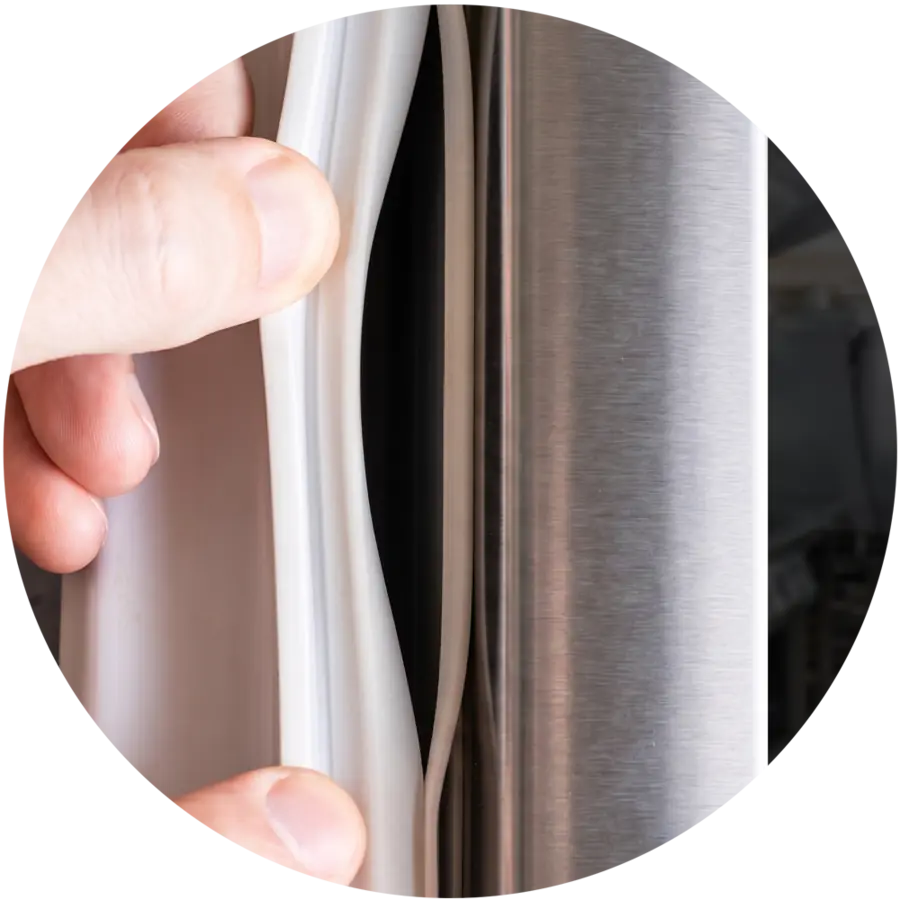
Commercial refrigeration gaskets fail primarily due to mechanical impact, kitchen grease accumulation, and material degradation. In a high-volume kitchen, prep table doors and drawers are closed hundreds of times per shift. Kicking drawers shut splits the mitered corners, while food oils trapped inside the vinyl folds cause the material to become brittle and crack.
According to commercial food safety data, a compromised refrigeration seal allows warm, humid ambient air to continuously infiltrate the cabinet. This causes a destructive domino effect:
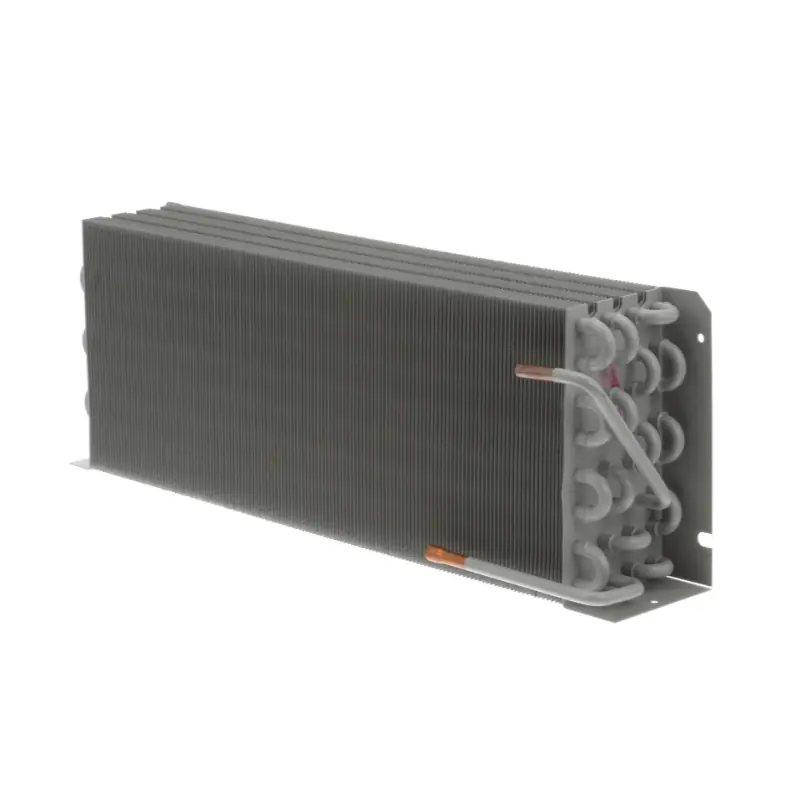
- Evaporator Coil Freeze-Ups: Ambient humidity hits the cold coil, instantly flashing into frost. This blocks airflow and forces emergency service calls.
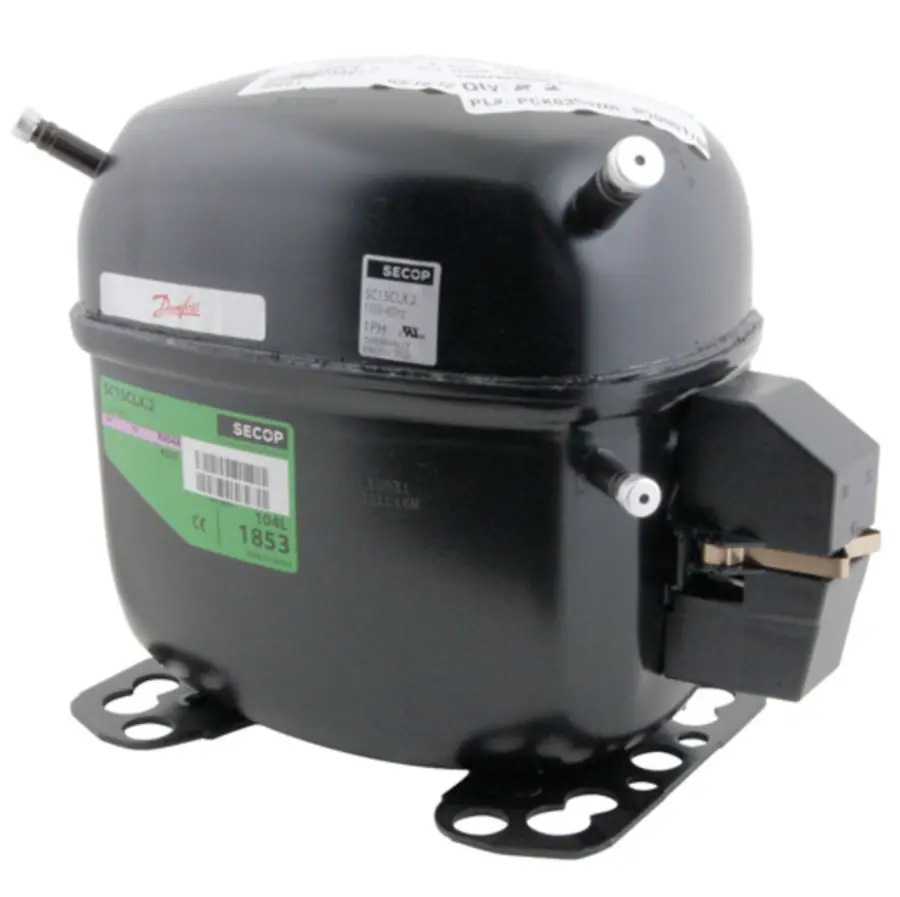
- Compressor Short-Cycling: The temperature probe detects rising heat from the leak, running the compressor past its intended duty cycle and shortening its operational lifespan.
How to Perform a 10-Minute Refrigeration Gasket Audit
To inspect a commercial prep table gasket accurately, execute these three field-tested diagnostic steps:
1. The Visual Corner Inspection
Examine the bottom mitered corners of the door or drawer first. Because line cooks frequently use their feet to close lower compartments, the bottom corners experience the highest rate of impact splits. Any visible gap, tear, or flattened vinyl means the seal has failed.
2. The Dollar Bill Test
Insert a crisp piece of paper or a dollar bill between the magnetic gasket and the metal frame, then close the door. Pull the paper gently. If it slides out with zero resistance, the internal magnetic strip has demagnetized or the door hinges have sagged out of alignment. Repeat this test every 12 inches around the door perimeter.
3. The Accordion Crease Check
Manually pull back the flexible folds (the accordion creases) of the gasket. Look for trapped grease, crumbs, and black mold. When kitchen grease sits inside the dart profile, it chemically breaks down the vinyl, turning a flexible seal into a hard, brittle plastic that can no longer cushion against the frame.
How to Measure a Commercial Prep Table Gasket for Replacement
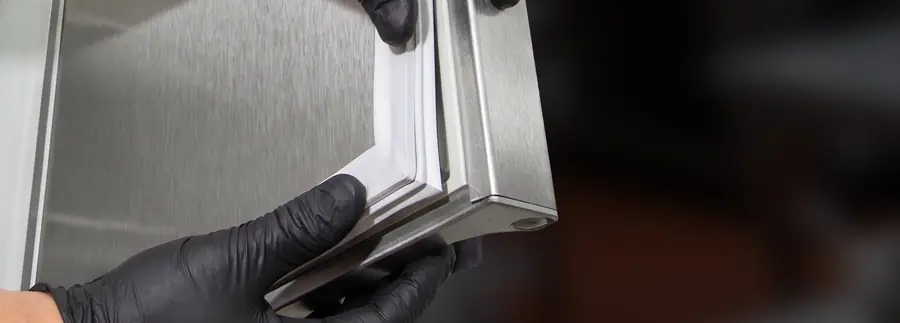
To order an accurate replacement gasket, you must identify the profile type and collect precise dimensional measurements. Equipment manufacturers frequently alter door configurations mid-generation, meaning matching by equipment model number alone can result in ordering the incorrect size.
| Measurement Step | Action Required | Technical Detail |
|---|---|---|
| 1. Identify Profile | Pull a section of the gasket out of the door channel. | Determine if it is a Push-in Dart, Screw-on Flap, or Snap-in Magnetic style. |
| 2. Take Dimensions | Measure the width and height of the existing gasket. | Measure Outside-Edge to Outside-Edge (Tip-to-Tip) or Center-of-Dart to Center-of-Dart. |
| 3. Check Data Plate | Locate the manufacturer data plate on the equipment. | Record the exact brand (e.g., True, Beverage-Air, Delfield), model, and serial number. |
Frequently Asked Questions (FAQs)

Will a custom gasket work for my unit?
Yes, a custom-cut gasket will work for any unit as long as measurements are accurate. AllPoints custom gaskets are engineered as Original Component Manufacturer (OCM) parts, meaning they are manufactured using the exact same commercial-grade vinyl formulas, magnetic profiles, and structural dimensions as the factory originals.
Because they use identical materials and production standards, AllPoints custom gaskets provide the same sealing performance, thermal efficiency, and durability as OEM parts, but cost an average of 15% less.
Every custom gasket is guaranteed to fit all major commercial refrigeration brands (including True, Beverage-Air, and Delfield). To ensure complete reliability in the field, they are backed by a 180-day warranty and a 90-day hassle-free return policy with no restocking fees. This allows you to restore an airtight factory seal on out-of-warranty equipment without paying the branded manufacturer premium.
How often should commercial kitchen gaskets be inspected?
Commercial refrigeration gaskets should undergo a comprehensive audit every 90 days (quarterly). High-impact units, such as pizza prep tables or chef bases directly on the cookline, should be checked monthly due to heat exposure and high cycle rates.
Can you use universal gasket kits on prep tables?
Universal or "cut-to-size" gasket kits should only be used as temporary emergency fixes. For a permanent, air-tight seal that meets health department standards, you must use a factory-welded gasket that matches the exact dart profile and dimensions of the refrigeration unit.
Ready to replace your gasket?
With a simple 10-minute gasket audit, you can protect a restaurant from catastrophic refrigeration and freezer failures. Lock in temperatures, protect equipment from overworking, and keep faulty gaskets from disrupting any foodservice operation with gaskets of every kind at AllPointsFPS.com.