How to Replace a Worn Mixer Gear or Attachment Shaft
Feb 27th 2026
Reading Time: 8 Minutes
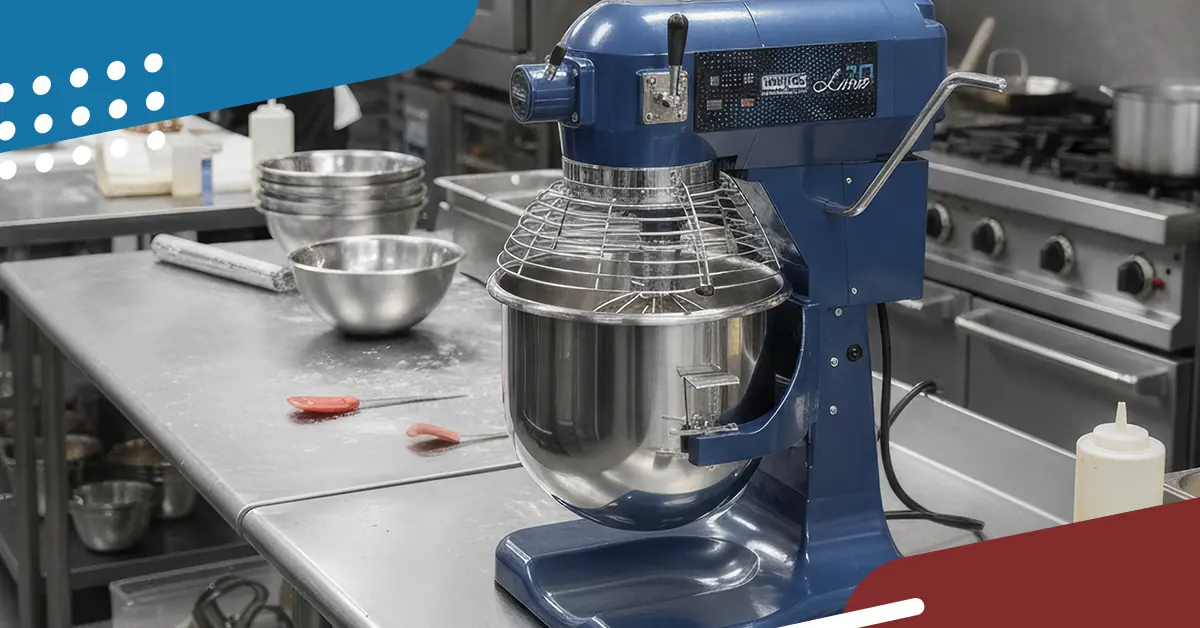
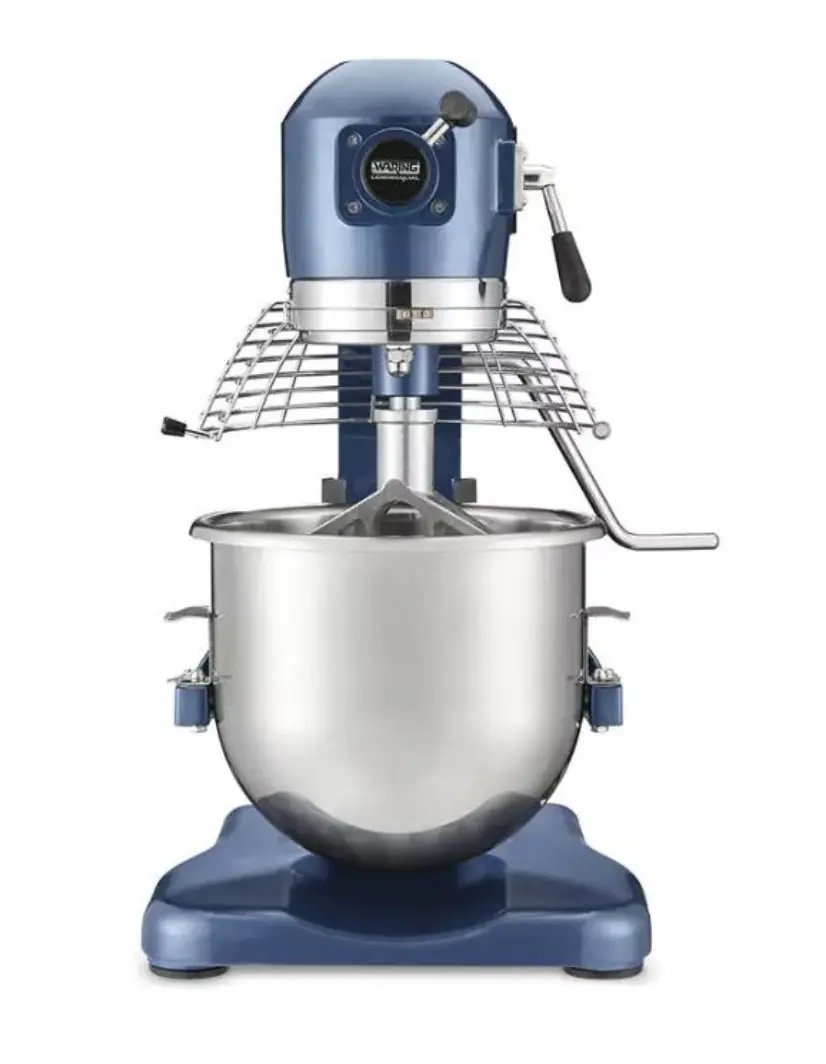
Planetary mixers (especially the classic 20qt, 30qt, and 60qt models) are the tanks of the commercial kitchen. They run for decades. But when they fail, they fail loud.
If the kitchen reports a "grinding noise," "oil leaking from the planetary," or "the beater stops turning under load," you are likely dealing with a stripped transmission gear or a sheared attachment shaft.
For a technician, opening a mixer transmission can be intimidating. It’s messy, heavy, and requires precision. But it’s also one of the most profitable repairs you can perform. Instead of selling them a new $10,000 mixer, you can save the day with a $300 gear set.
Here is the step-by-step guide to diagnosing and replacing the drive train on a commercial planetary mixer.
Phase 1: The Diagnosis
Before you crack the case, listen to the machine.
- Clunking/Thumping: Usually a broken tooth on the Worm Wheel. Every time the gap rotates around to the worm shaft, it slips and "thumps."
- High-Pitched Whine: Often a bearing failure or lack of grease.
- Spinning Motor, Stationary Agitator: The Attachment Shaft (or the sacrificial plastic gear on smaller units) has sheared completely.
- Oil Leaking: The Planetary Seal has failed.
Note: If oil leaks out, flour gets in. This creates a grinding paste that destroys gears in weeks.
Phase 2: Teardown
- Safety First: Unplug the unit. These high-torque motors can take a finger off instantly.
- Drain the Oil: On larger floor models, there is a drain plug. On smaller bench models, you have to scoop the grease out by hand after opening the top cover.
- Inspect the Grease: Look for metal shavings.
- Brass/Bronze Shavings: The Worm Wheel is being eaten.
- Steel Shavings: A bearing or the Worm Shaft is disintegrating.
Phase 3: The Gear Replacement
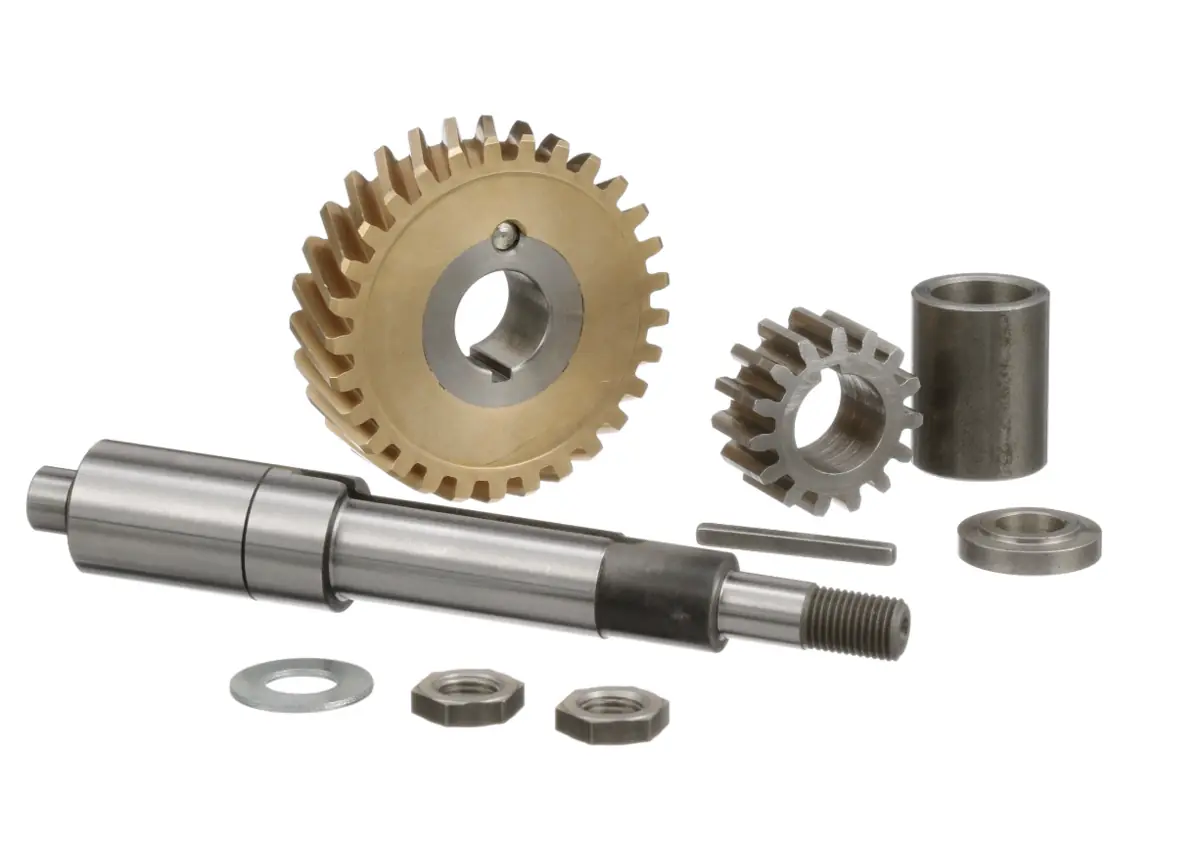
The most common failure is the Worm Gear (Bronze) vs. Worm Shaft (Steel) interface. The bronze gear is designed to be the "sacrificial" part so the expensive steel shaft doesn't break.
- Remove the Planetary: You usually need to drop the planetary head (where the beater attaches) to free the vertical shaft.
- Pull the Transmission: Remove the bearing retainers. You might need a gear puller to slide the worm wheel off the hub.
- Inspect the Shaft: Check the steel worm shaft for pitting. If the steel shaft is rough, it will chew up your new bronze gear in a month.
Rule of Thumb: If the shaft is scarred, replace both. - Install the New Gear:
- Keyway Alignment: Ensure the woodruff key is seated perfectly. If it slips during installation, the gear will spin freely on the shaft.
- Mesh Check: Rotate the motor fan by hand. The worm shaft should turn the worm wheel smoothly without binding.
Phase 4: The Attachment Shaft
If the mixer runs fine but the meat grinder/slicer attachment (the #12 hub on the front) won't turn, the square drive inside has sheared.
- Remove the Front Plate: Usually held on by 4 screws.
- Pull the Shaft: The attachment shaft pulls straight out (on most models).
- Check the "Shear Pin": On older units, there is a literal pin designed to snap if the kitchen overloads the grinder. If the pin is sheared, punch it out and replace it. If the shaft itself is rounded off, replace the shaft.
Phase 5: Reassembly & Lubrication
Do not reuse the old grease. It is full of microscopic metal fragments.
- Pack it Right: Use the manufacturer-specified transmission grease (usually a specific high-tack mineral oil base).
- Don't Overfill: If you pack it 100% full, the heat expansion will blow the seals out. Leave about 20% air gap for expansion.
- Seal it Up: Always install a new gasket or RTV sealant on the transmission cover.
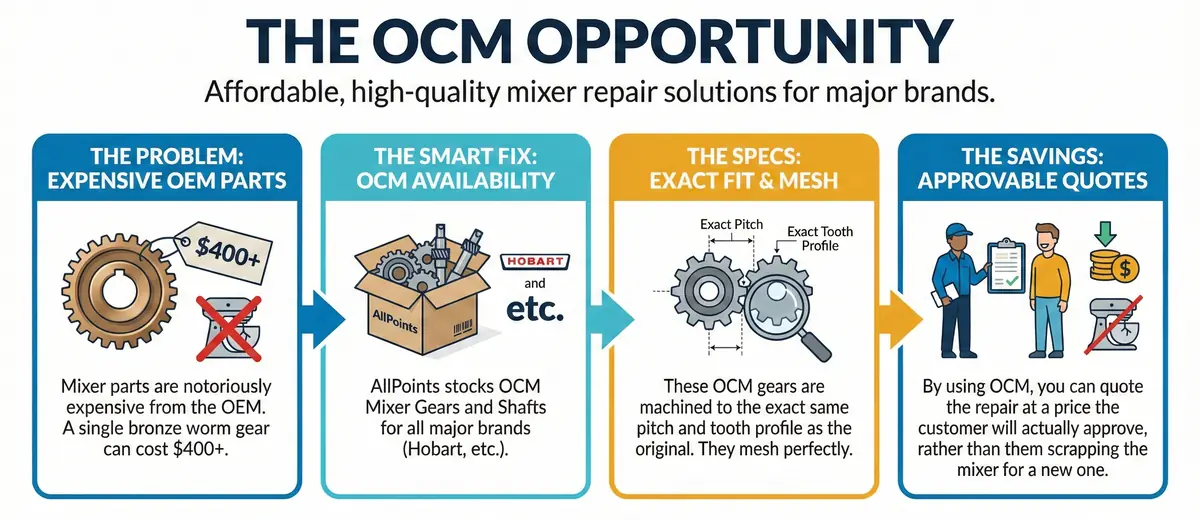
The OCM Opportunity
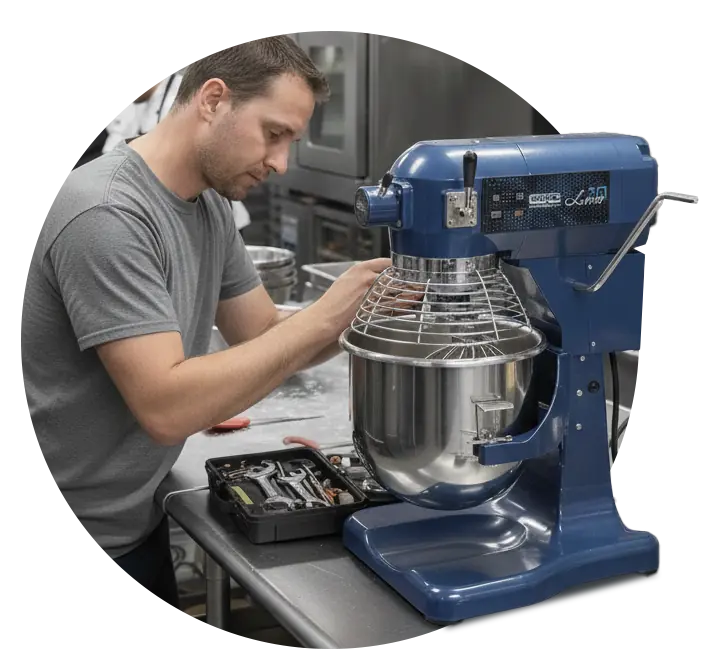
Mixer parts are notoriously expensive from the OEM. A single bronze worm gear can cost $400+.
- The Smart Fix: AllPoints stocks OCM Mixer Gears and Shafts for all major brands (Hobart, etc.).
- The Specs: These OCM gears are machined to the exact same pitch and tooth profile as the original. They mesh perfectly.
- The Savings: By using OCM, you can quote the repair at a price the customer will actually approve, rather than them scrapping the mixer for a new one.
Is your mixer grinding or leaking?
Don't let a $300 gear kill a $10,000 machine. Find the exact OCM Gear Sets, Shafts, and Grease you need at AllPointsFPS.com.