Calculating the True Financial ROI of a First-Time Fix
May 19th 2026
Reading Time: 5 Minutes
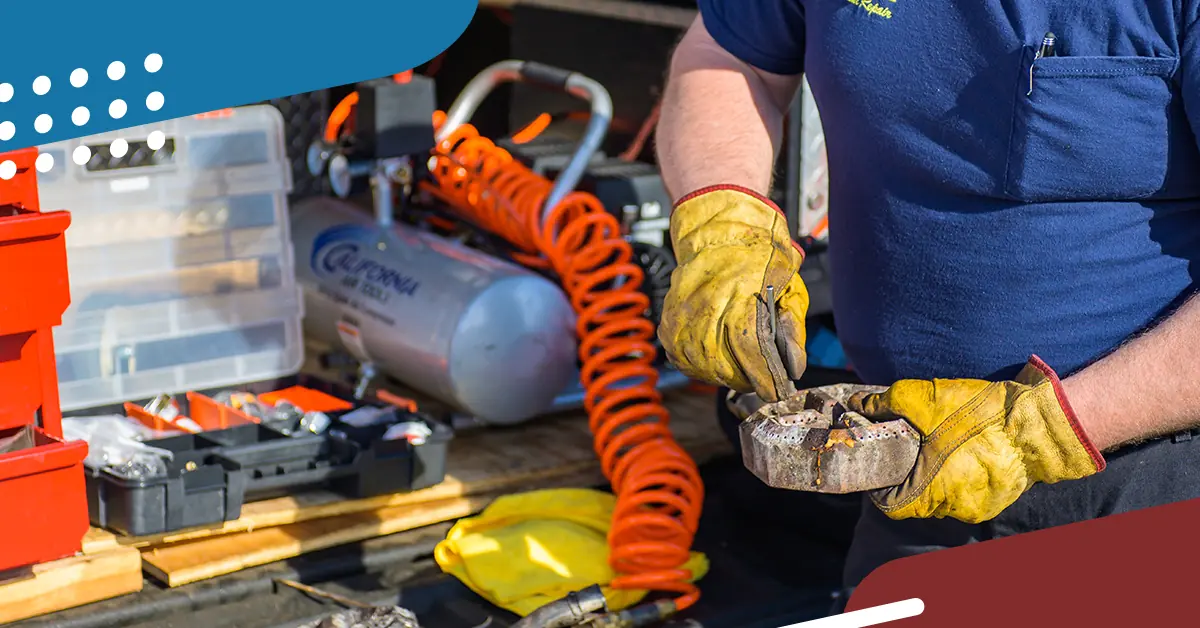
In the commercial foodservice industry, the "First-Time Fix" rate is often viewed as a pride point for technicians. But for the person signing the checks, it is a critical financial metric that determines whether a service call is a high-margin win or a break-even frustration.
When a technician has to leave a job site to "go get the part" or wait for a backordered OEM component, the profitability of that ticket can disappear entirely.
To understand the true ROI of a first-time fix, you have to look beyond the labor hours on the invoice. Here is the real math behind the "Return Trip" drain.
1. The Hidden Cost of the "Truck Roll"
Most service companies estimate the cost of a single truck roll (fuel, insurance, vehicle wear, and non-billable drive time) at anywhere from $150 to $300.
When a technician fails to complete a repair on the first visit because they didn't have a universal contactor or a defrost timer on the van, you are effectively paying that $200 penalty twice. By the time the tech returns for the second visit, the profit margin on the parts and the initial labor has already been eaten by the overhead of the second trip.

2. The Opportunity Cost
The most expensive part of a failed first-time fix is the lost revenue from the next call.
In 2026, the demand for skilled technicians is higher than ever. Every hour a tech spends driving back to a site they’ve already visited is an hour they aren't at a new site generating a fresh diagnostic fee and labor revenue. If your first-time fix rate drops by just 10%, you are essentially losing 10% of your total billable capacity.
3. Customer Churn
A restaurant with a down walk-in or a dead fryer is a restaurant losing money.
- The Reputation Hit: If a tech has to come back three days later with a part, the customer will remember the three days of lost sales.
- The Callback Risk: Every time a unit is opened, closed, and reopened for a second trip, the risk of a callback increases. Callbacks are the ultimate profit-killer, as they are almost always non-billable service events.
How to Force a First-Time Fix ROI
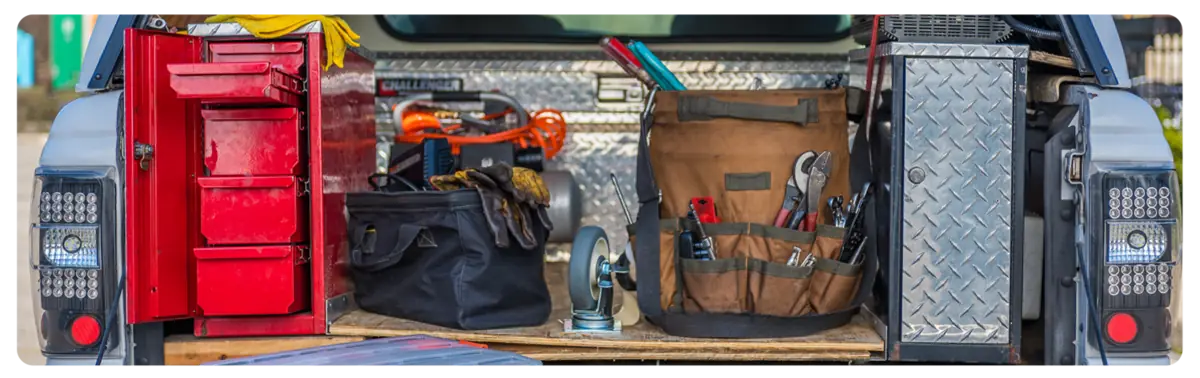
Achieving a high first-time fix rate requires a combination of smarter truck stock and faster parts identification. This is where your sourcing strategy becomes a competitive advantage.
- Use OCM Parts: Don't let a backordered OEM force a second trip. By standardizing with AllPoints Original Component Manufacturer (OCM) parts, you gain access to a massive inventory of factory-grade components that are ready to ship. OCM parts are also much less expensive than OEM-branded parts, so you keep more of the margin on every fix.
- Mobile Identification: Equip your techs with the training to look up parts on the job site. When they can look up a digital schematic or cross-reference a part number while standing at the equipment, they increase their chance at solving a customer's problem without going back to the office.

Your Bottom Line
A 5% increase in your First-Time Fix rate can result in a 20% increase in net profitability. It is the single most effective way to grow your business without adding a single new customer or raising your hourly rates.
Optimize your truck stock with AllPoints OCM parts and give your team the digital tools they need to fix it right the first time.