Blodgett Convection Oven Troubleshooting: Diagnosing Erratic Temperature Swings
Jul 27th 2026
Reading Time: 4 Minutes
Summary
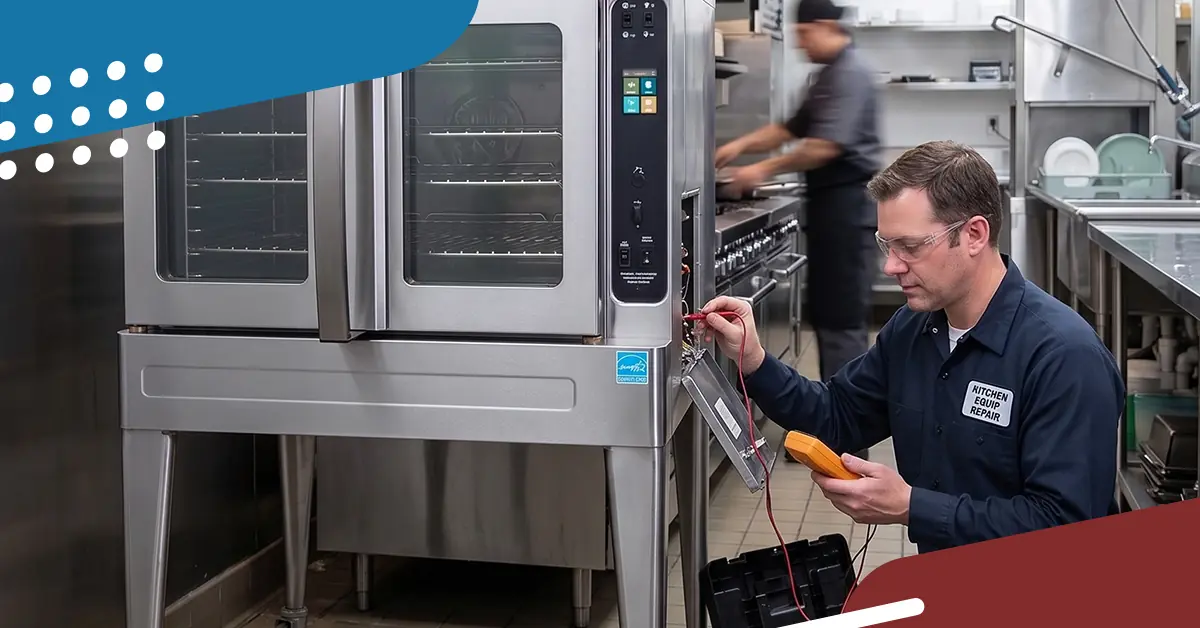
Erratic temperature swings in Blodgett convection ovens can often be traced to a breakdown in the temperature control loop. Common operational issues include a dirty or failing temperature probe, an out-of-calibration thermostat or controller, intermittent door switch operation, airflow restrictions, or inconsistent heat output from gas or electric heating elements. A qualified technician should verify the symptom with an independent temperature tester, then compare probe resistance, door switch continuity, and call-for-heat voltage against the service documentation for the specific model.
The Temperature Control Loop: How Blodgett Ovens Regulate Heat
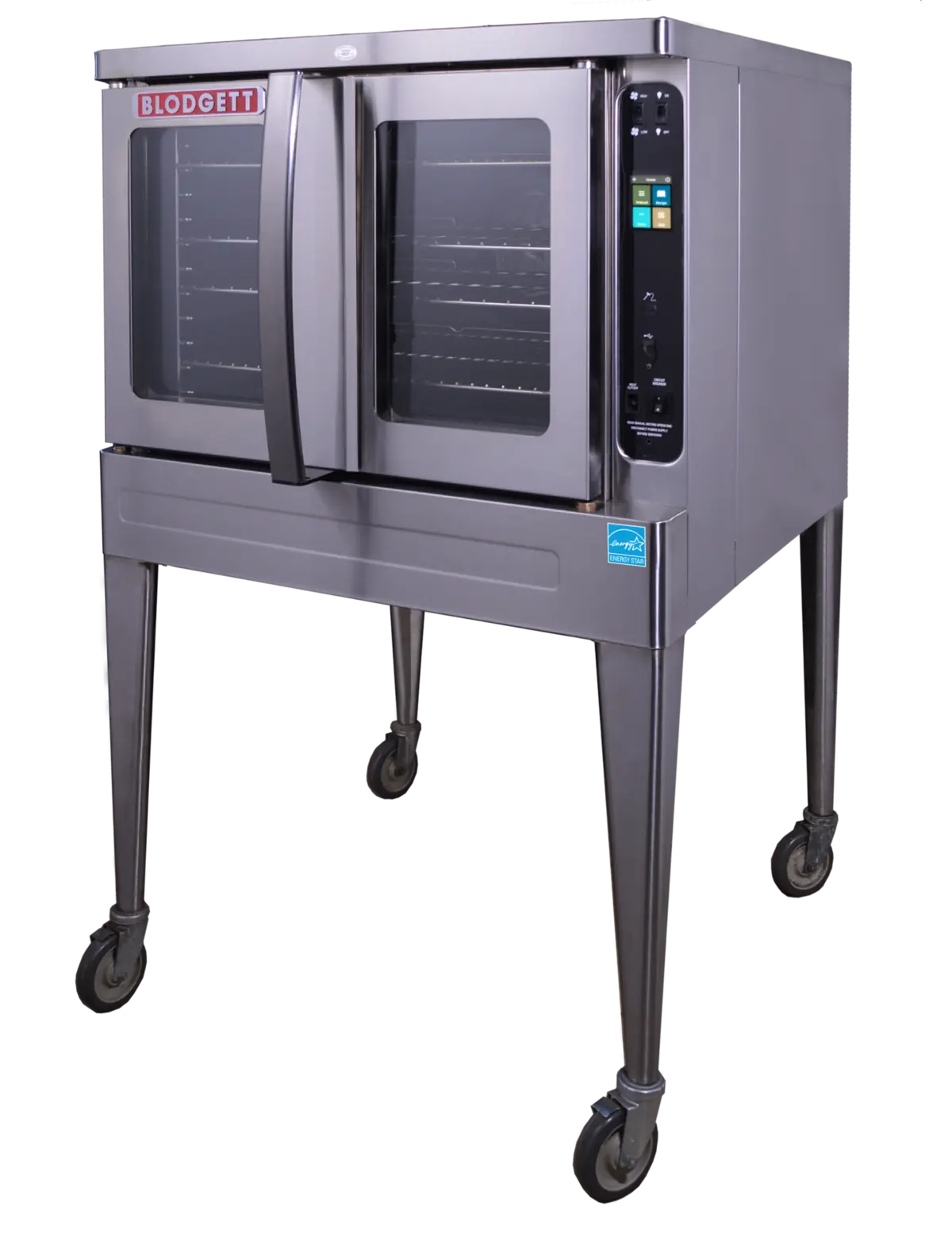
To troubleshoot temperature fluctuations effectively, a service technician must understand how a convection oven maintains its internal thermal environment. Commercial ovens rely on a continuous feedback loop consisting of three core elements: the controller, the sensor, and the heat source (gas valve assembly or electric elements).
When an operator sets a target temperature, the controller monitors the interior cabinet environment using a temperature sensor probe.
- Gas Models: The controller sends a voltage signal to open a gas valve combination circuit, firing the burner assembly.
- Electric Models: The controller energizes heavy-duty heating contactors to route line voltage to the heating elements.
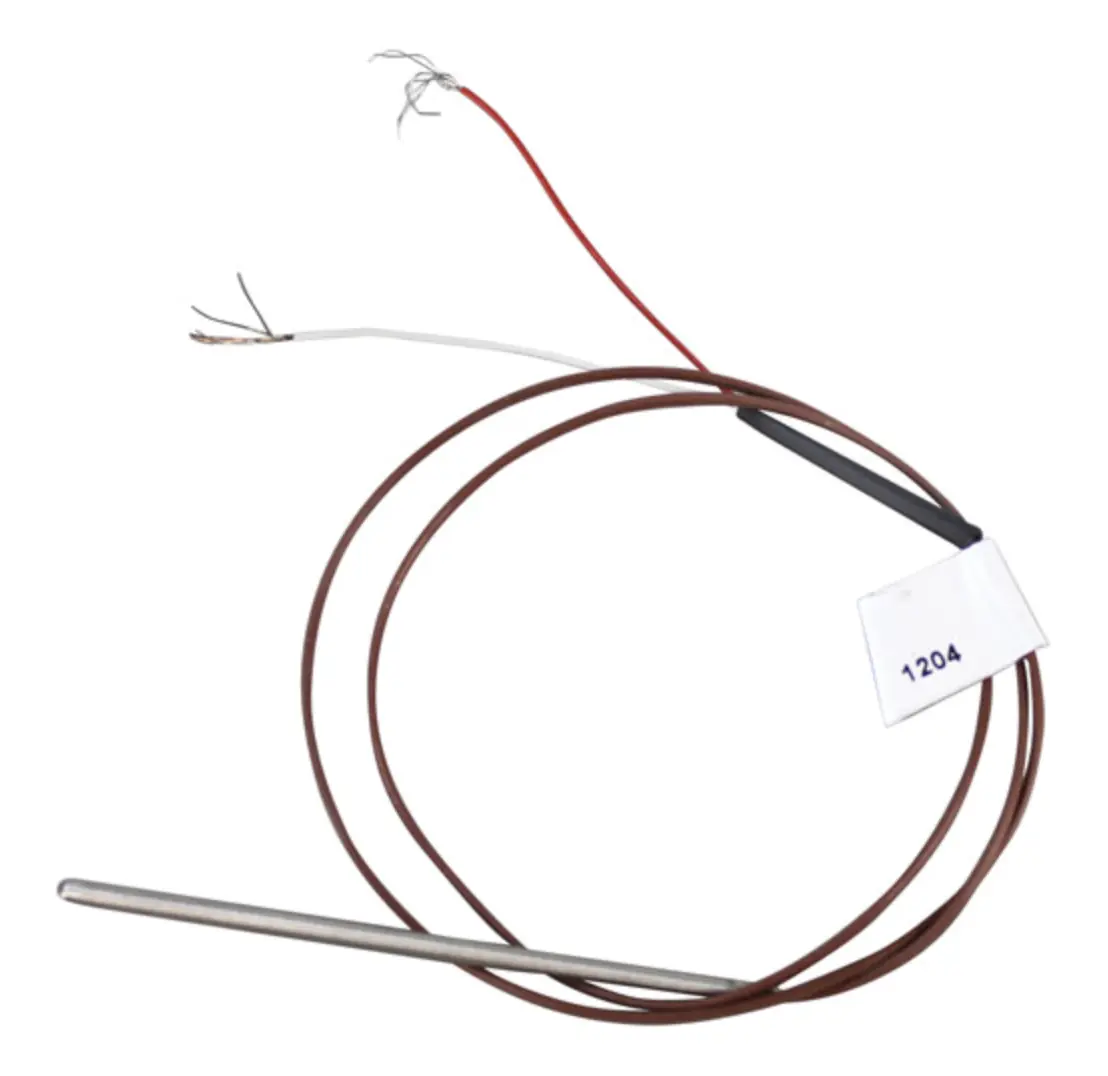
Once the sensor signals that the cabinet has reached the setpoint, the controller cuts or modulates the voltage to the heat source. In a properly operating oven, this loop maintains the temperature within a tight window specified by the manufacturer. When this window drifts significantly, a failure has occurred within the control loop or the mechanical airflow system.
3 Common Control-Loop Issues Behind Temperature Swings
When a commercial kitchen reports uneven baking or massive temperature drops, technicians should check these common areas during structural diagnostics:
1. Failing or Contaminated Temperature Probe
Many Blodgett convection ovens use temperature probes that must be checked against the resistance chart for the specific probe and control combination. If heavy grease or carbon accumulates on the probe casing, it acts as an insulator, slowing the thermal transfer and causing the oven to overshoot its setpoint before the sensor registers the true temperature. Internal degradation of the internal sensor matrix can also cause it to send unstable resistance spikes back to the control board.
2. Intermittent Door Switch Operation
Convection ovens utilize a mechanical micro-switch or a magnetic proximity switch to temporarily cut power to the blower wheel and the heating circuit when the doors are opened. If the door hinges sag, the doors misalign, or the switch bracket slips, the switch can intermittently lose contact while the doors are completely closed. This causes the control circuit to drop the heat signal mid-cycle, leading to sudden temperature drops.
3. Weak Solenoids or Diaphragm Sticking in Gas Valves
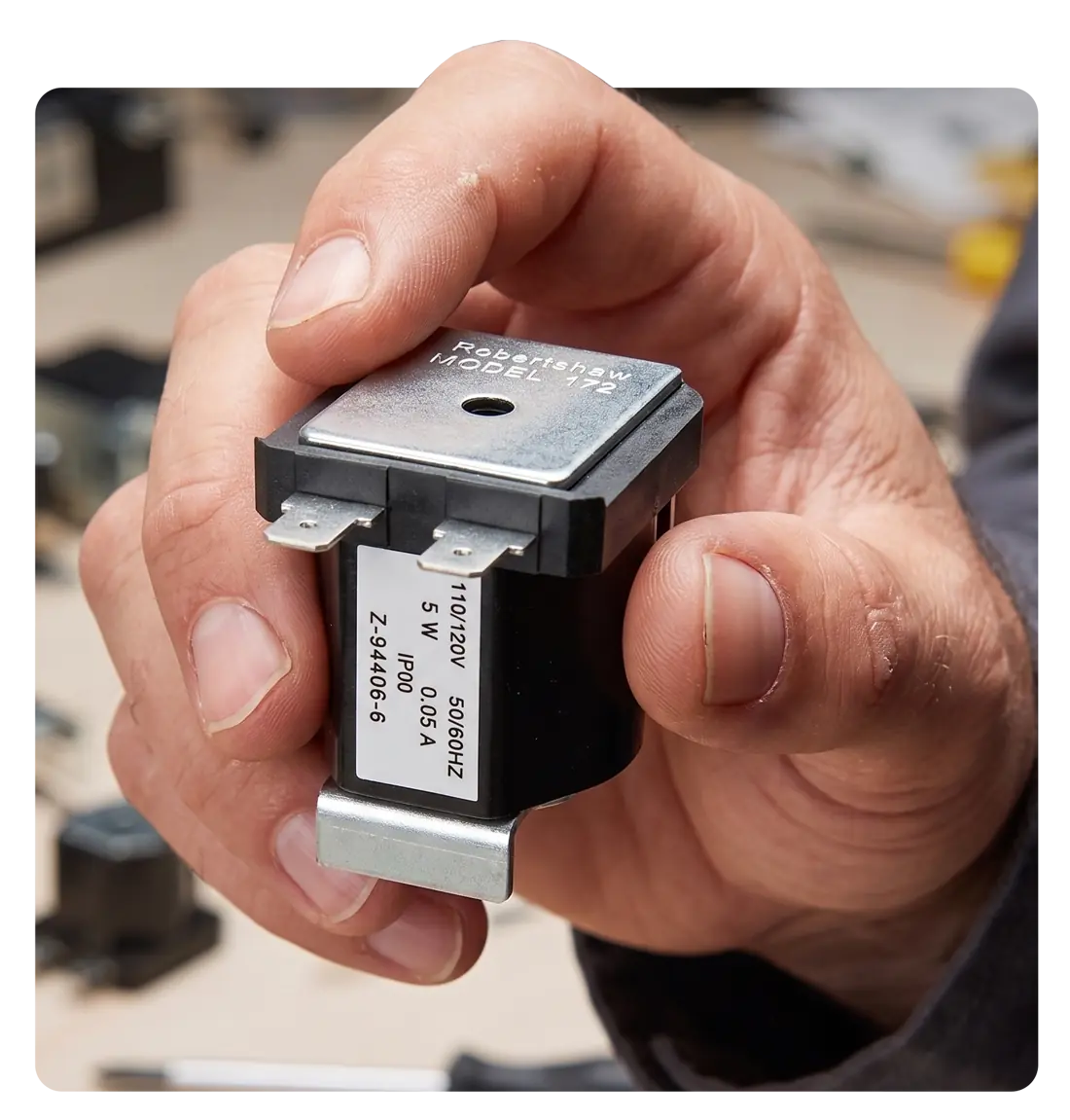
On gas convection models, the main gas valve opens and closes to regulate fuel flow to the burners. If the internal solenoid coils become weak from high ambient temperatures or the internal valve diaphragm begins to stick, the valve may lag when told to shut off, leading to extreme temperature overshoots. Alternatively, it may fail to hold open reliably on a call for heat, dropping the burner flame out entirely.
Technical Diagnostic Checklist
⚠️ Safety Note: Qualification and Authorization Required
Electrical and gas diagnostics should only be performed by qualified service technicians following company lockout/tagout (LOTO) procedures, OEM service documentation, and local codes. Energized voltage checks should be performed only when required for diagnosis and with properly rated test equipment and Personal Protective Equipment (PPE).
Before replacing components, secure the unit and use an appropriately rated multimeter to execute these fundamental field checks:
| Diagnostic Step | Action Required | Expected Technical Reading |
|---|---|---|
| 1. Probe Resistance Test | Disconnect the probe leads from the control board. Measure resistance (Ω) across the leads at a known temperature. | Compare the reading to the Blodgett probe chart or service manual for the exact probe/control combination. For example, one standard 100-ohm probe profile reads 100 Ω at 32∘F and 175 Ω at 392∘F. Open, shorted, or unstable readings indicate a probe or wiring issue. |
| 2. Door Switch Continuity | Secure power, ensure the oven doors are closed completely, and measure continuity across the switch terminals. | Must read zero resistance (closed circuit) when doors are shut. Gently move or wiggle the doors; if the circuit opens, adjust the mechanical alignment or replace the switch. |
| 3. Call-for-Heat Voltage | Set the oven to call for heat. Measure voltage at the gas valve terminal block or heating contactor coils. | During a valid call for heat, voltage should match the rated control circuit shown on the wiring diagram. Unexpected dropouts, chatter, or fluctuating voltage may indicate a control, safety interlock, wiring, relay, or contactor issue. |
Frequently Asked Questions (FAQs)
Can an airflow restriction cause erratic temperature readings?
Yes. Heavy carbon accumulation on the blower wheel or a blocked intake baffle restricts optimal heat distribution. Convection ovens depend on a continuous, uniform vortex of air to balance the cabinet temperature. If the fan blades are weighed down or spinning below rated RPM, localized air pockets form. This can cause the temperature probe to read an environment that does not accurately reflect the heat hitting the baking pans.
What is the difference between calibrating a mechanical vs. digital thermostat?
Mechanical thermostats utilize a liquid-filled capillary tube and sensing bulb. They can be manually calibrated by removing the dial knob and adjusting an internal calibration screw within the shaft to match an independent master temperature tester. Solid-state digital controllers cannot be manually adjusted this way; if a digital interface displays a temperature delta that doesn't match an independent tester, the probe must be evaluated for resistance accuracy, or the controller's internal offset settings must be reconfigured via the programming menu.
How do OCM components support reliable oven performance?
For commercial ovens operating outside of their active factory warranty window, choosing Original Component Manufacturer (OCM) parts is an excellent sourcing strategy. High-wear items such as replacement temperature probes, heavy-duty door switches, mechanical thermostats, and electrical components are engineered to match the required fit, function, and performance specifications of the application. Shifting regular truck stock to verified OCM components supports reliable field performance while lowering parts acquisition overhead by an average of 15%.