Defrost Timer Failure in Commercial Freezers: Diagnosis Guide
May 12th 2026
Reading Time: 5 Minutes
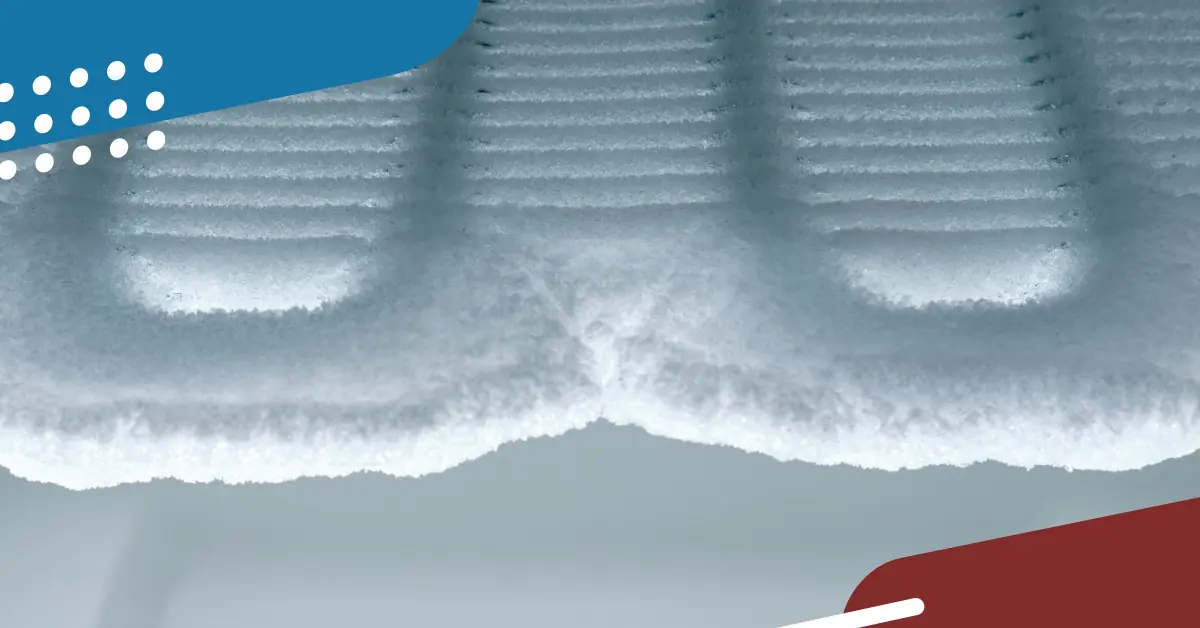
For a commercial freezer, frost is a slow-motion disaster. When a defrost timer fails, the evaporator coils quickly transform into a solid block of ice. Airflow stops, the box temperature climbs, and the compressor starts running 24/7 in a desperate attempt to keep up. Eventually, this leads to a total system meltdown.
As a service technician, your job is to determine if the "ice-up" is caused by a failed timer motor, bad contacts, or a problem elsewhere in the defrost circuit (like a terminated thermostat or heater).
Here is the technical sequence for diagnosing a faulty defrost timer.

1. The Manual Advance Test
The quickest way to check a mechanical timer (like the industry-standard Paragon series) is to force it into a defrost cycle.
- The Action: Locate the timer and use a flathead screwdriver to slowly turn the internal advance pointer clockwise until you hear a loud "click."
- The Observation: * The fans and compressor should immediately cut out. The defrost heaters should then engage.
- The Diagnosis: If the system enters defrost manually but never does so on its own, the timer motor is likely dead. If the system refuses to enter defrost even when advanced manually, you likely have burnt internal contacts or a wiring break.
2. Checking the Timer Motor
If the timer isn't advancing, you need to verify if the motor is actually receiving power.
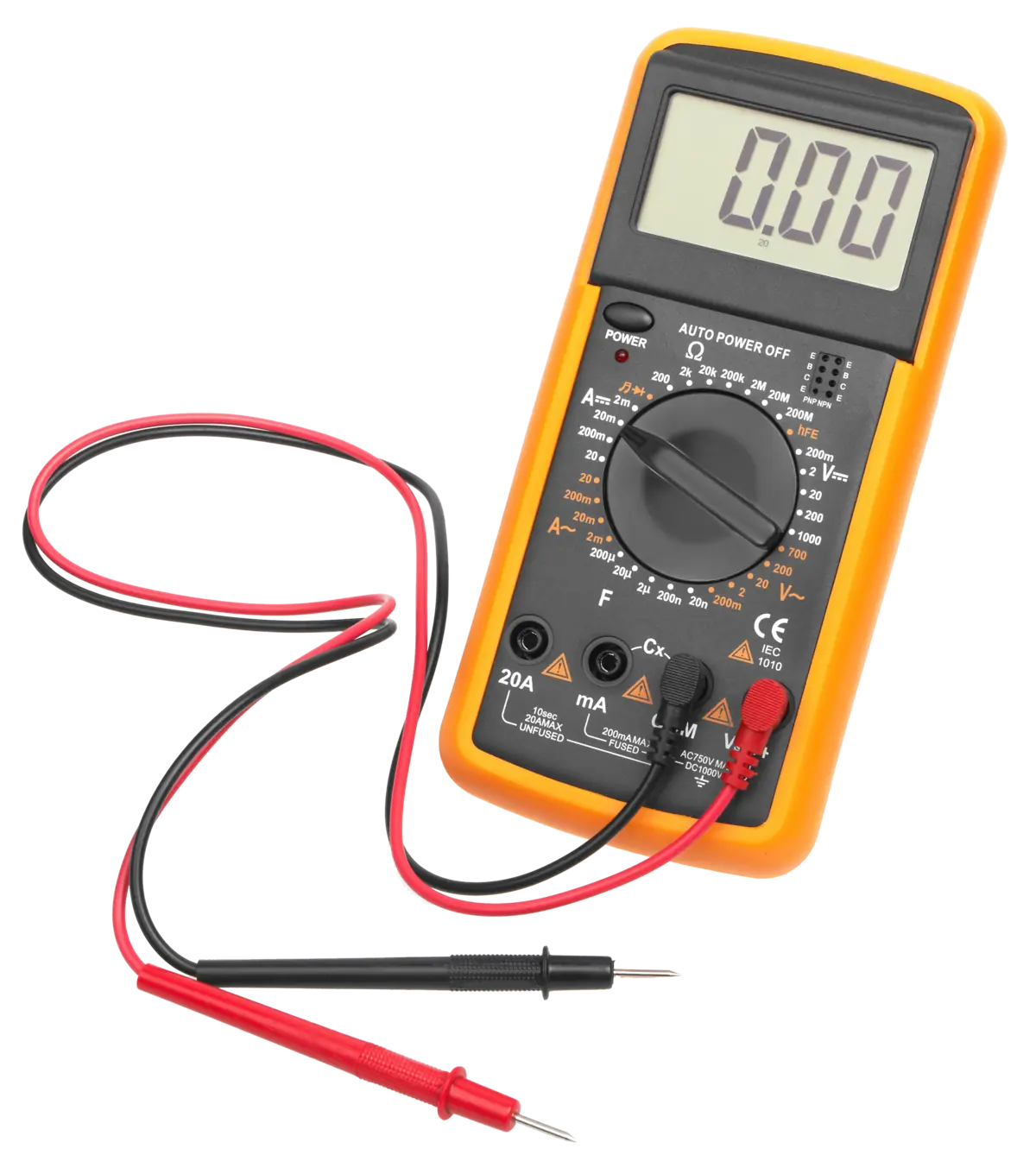
- The Test: Set your multimeter to Volts AC. Check for power at the timer motor terminals (usually terminals 1 and N).
- The Diagnosis: *
- Power present but no movement: The motor gears are stripped or the coil is open. Replace the timer.
- No power present: The issue is upstream. Check your cabinet wiring, door switches, or the main control board.
3. Ohm Test
Sometimes the timer motor is humming along perfectly, but the internal "switches" that send power to the heaters have carbonized and failed.
- The Action: Disconnect power to the unit and remove the wires from the timer terminals.
- The Test: Advance the timer into the defrost position and check for continuity across the defrost terminals (usually 1 and 3). Then, advance it back to the "cooling" position and check the compressor terminals (1 and 4).
- The Diagnosis: If you have an "OL" (Open Loop) reading on a circuit that should be closed, the internal contacts are burnt. This is common in older freezers where high-amp heaters have stressed the timer over several years.
4. "Stuck in Defrost"
If the customer complains that the freezer is warm but the compressor is silent, the timer might be mechanically stuck in the defrost position.
- The Issue: If the internal cam gets stuck, the compressor will never kick back on.
- The Fix: If you can’t advance the timer out of the cycle with a screwdriver, or if it immediately sticks again, the internal clockwork is shot.
The "First-Time Fix" Sourcing Strategy
Defrost timers are the definition of a "universal" part. While an OEM is best for in-warranty equipment, the internal components are often identical across the industry.
Standardizing your truck stock with AllPoints OCM (Original Component Manufacturer) defrost timers is a major win for your margins.
- The Specs: AllPoints OCM timers match the exact timing sequences and electrical ratings (e.g., 40 Amp, 208/240V) of the factory originals.
- The Savings: By choosing OCM over the OEM, you save an average of 15% per unit.
Don't let a $50 part kill a $5,000 compressor. When you're on-site and need to verify a wiring diagram or cross-reference a Paragon or Intermatic number to an OCM equivalent, use the mobile-optimized version of AllPointsFPS.com on your phone to get the data you need in seconds.